Get Ready For AI
An interactive guide about AI for kids
A first look at what’s inside the book: how each chapter helps kids ages 7–12 understand AI, one idea at a time.
About the project & teamDedication
This book is dedicated to all grandparents — especially grandpa Georgios and grandma Keti — for all the love, the endless stories, the hugs, the fun games, the yummy food and the constant care that makes us all who we are: curious, responsible and kind.
These eight friends will guide you through the world of AI!
 Katerina
Age 9.5, loves experiments, maths & making stuff!
 Rebecca
Age 10, loves drawing & music
 Anish
Anish
Age 7.5, maths whiz & cricket fan
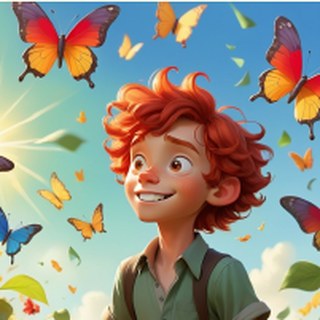 Ronan
Ronan
Age 11, nature lover & explorer
 Bembe
Bembe
Age 10, football star & inventor
 Fleur
Fleur
Age 9, language lover & dancer
 Ling
Ling
Age 12, science geek & reader
 Nallah
Age 11, chef & storyteller
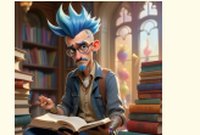
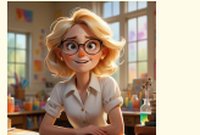
…and guided by brilliant professors from around the world!


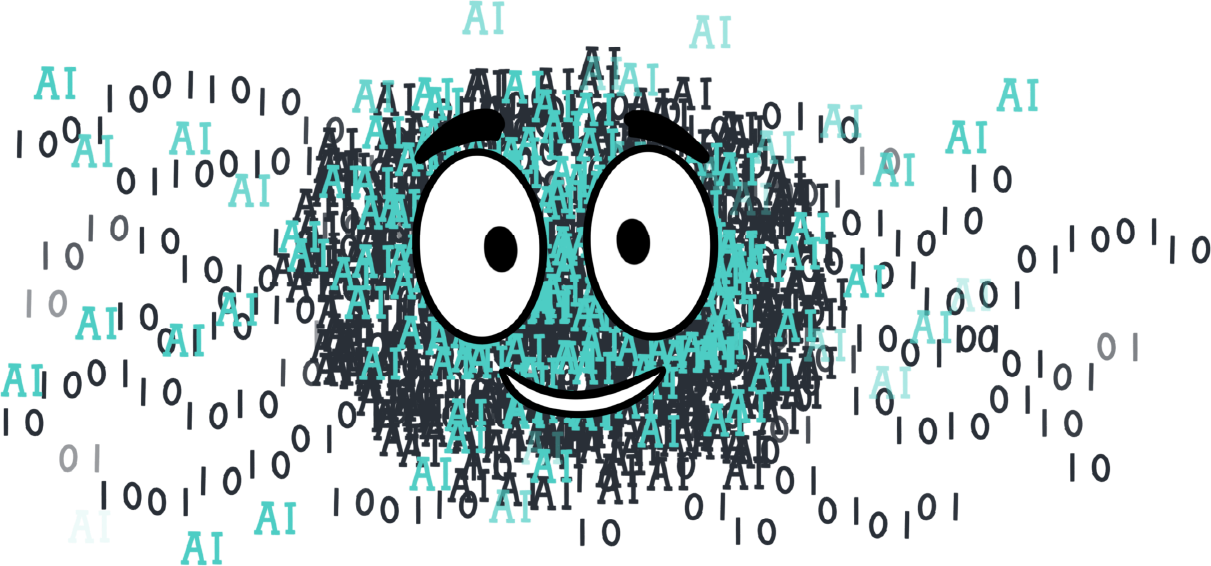
Hi, I’m GR4AI! My name is short for Get Ready 4 AI — the 4 is a quick way of writing “for”. I’ll be with you all the way through this guide, usually popping up when there’s an answer to reveal.
🧭 How to use this website
You can explore this website on your own: scroll, tap, play. But it is even better with a grown-up nearby — a parent, a carer or a teacher. Some of the questions in here are big ones, and big questions are more fun to talk about than to wonder about alone.
Every tricky word is explained. If a word has a dotted line under it, tap it and a little card will tell you what it means.
To jump straight to a chapter, click the numbers at the top of the screen.
This website is free, for everyone.
Moving from the physical environment to the digital world
Before we explain what Artificial Intelligence (also known as AI) is, we need to understand how it is related to our everyday world.
Our everyday world is also called the physical environment, where we live, breathe, eat, learn and play. Artificial Intelligence works in the digital world.
Let's see how these two are different!
Physical world
Digital world

Hi, my name is Katerina.
Do you know what's the most asked question about AI?
Click an answer to reveal the right one below.
It's true — "Will AI take over the world?" is the question people ask most! The honest answer is: AI is a tool built and controlled by humans, not a robot villain from a movie. As long as people stay in charge and use it responsibly, AI is here to help us, not replace us.
What is AI?
AI stands for Artificial Intelligence. It means making computers smart enough to learn and solve problems — just like we do!
🤔 So what IS Artificial Intelligence?
AI is a type of computer programme that can learn from information (we call it DATA), spot patterns, make decisions, and get better over time — without being told every single step to follow. Think of it like a brain made of maths and computer code!
🧠 Human Brain
- Learns from EXPERIENCE
- Recognises faces
- Understands language
- Understands context
- Makes decisions
- Gets tired & needs sleep
💻 AI Computer
- Learns from DATA
- Recognises faces too!
- Understands language
- Does NOT understand context
- Makes decisions faster
- Never needs sleep!
📈 How AI Learns
- Feed it LOTS of data
- It finds patterns
- It makes guesses
- We correct mistakes
- It gets smarter! 🎉
📊 AI's journey wasn't straight!
The "Gartner Hype Cycle" shows how new tech goes through peaks of excitement, then doubt, and then the point where it becomes truly useful — solving real problems and doing good for people. AI went through ALL of these stages before becoming the amazing technology we have today. Look at the curve above — can you find the bit where everyone gets excited?
How AI Actually Learns
Hi, my name is Anish.
Imagine teaching a toddler to recognise a cat. You show them LOTS of cats.
That's exactly how AI learns! It's called MACHINE LEARNING.
📊 1. Collect Data
- Millions of examples (photos, words, numbers)
🏷️ 2. Label Data
- Humans mark what each example IS
🏋️ 3. Train Model
- AI finds patterns in all the examples
✅ 4. Test Model
- Try it on NEW data it hasn't seen YET
🚀 5. Deploy!
- Release it for real-world use
🔄 6. Improve
- Learn from mistakes, retrain and improve
3 Ways AI Learns:
👩🏫 Supervised Learning
- Teacher shows examples and correct answers.
- Like flashcards!
🔍 Unsupervised Learning
- AI finds patterns without being told what to look for.
🎮 Reinforcement Learning
- AI tries things, gets rewarded for good moves.
- Like levelling up in a video game!
🧠 Neural Networks: How Deep Learning Works
Just like YOUR brain has billions of connected neurons that help you learn and make sense of the world, AI uses artificial neural networks to learn from the information we give it. These artificial neurons are connected in layers.
More layers = deeper learning = 'DEEP LEARNING' — the most powerful kind of AI today!
Hey, it's Ronan — quick question for you!
Do you know how many "parameters" GPT-4 (the AI behind ChatGPT) learned to adjust?
Click an answer to reveal the right one below.
GPT-4 is estimated to have around 1.8 TRILLION parameters — that's 1,800,000,000,000 little "dials" it learned to adjust! Your brain has about 100 trillion connections, so we're catching up fast!

Artificial intelligence is a type of intelligence created by humans in the digital world to help automate tasks in the physical environment
Hardware
- CPU – the brain
- RAM – short memory
- Storage – long memory
- Screen, keyboard, mouse, speakers
Software
- Operating system (Windows / Mac / Linux)
- Apps & programmes
- The CODE that tells hardware what to do
Binary & Bits
- All data = 0s and 1s
- 1 bit = one 0 or 1
- 8 bits = 1 byte
- Your photo = millions of bits!
How we talk to computers:
Each arrow means “gets turned into”. What you say gets turned into code, the code into 0s and 1s, and those into tiny bursts of electricity — on, off, on, off.
Hi, I'm Fleur — here's a fun one!
How long did ChatGPT take to reach 1 million users?
Click an answer to reveal the right one below.
Just 5 days! Compare that to Netflix (3.5 years) or Instagram (2.5 months) — AI spread faster than almost anything in history.
What can AI do?
What can AI do?
What can AI not do?
AI can help kids by:
Fixing spellings
Making reading easier
Finding illnesses faster
Writing stories
Making movies
Creating new toys
Developing new ideas
Making internet safer for them

Hi, I'm Ling — this one's tricky!
Even with everything AI can do, what's one thing it still CAN'T do?
Click an answer to reveal the right one below.
AI can do incredible things, but it can't truly feel love, care, or friendship the way you can! It can sound caring because it's trained on how humans talk, but there's no real feeling behind the words. That's something only living beings like you can do.
Show Us Your AI!
What do YOU imagine AI looks like? Draw it and take a photo, or try generating a picture with an AI tool — then share it with kids around the world below!
Create it. Draw your idea of AI on paper, or make one with an AI image generator.
Snap it. Take a clear photo of your drawing, or save your AI-generated image.
Share it. Ask a grown-up to upload it for you, with your first name, age and country.
Real People, Real AI Jobs Around the World!
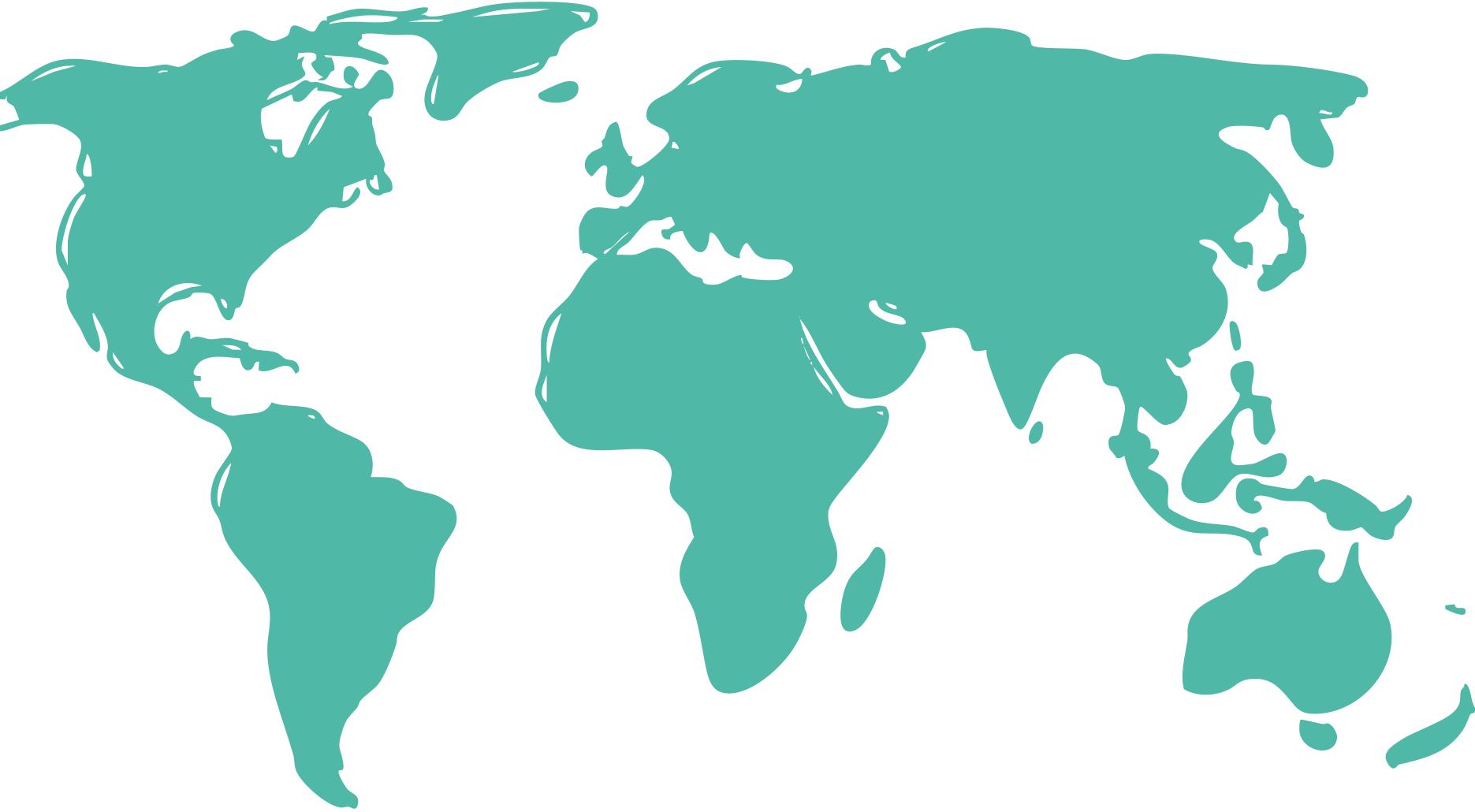
Meet 8 amazing professionals who use AI every day in their work. Tap or hover a pin to meet them.
AI in Daily Life
AI is EVERYWHERE around you right now! Let's explore where you can find it in real life.
👆 Click a card to flip it over. Click it again to flip it back.
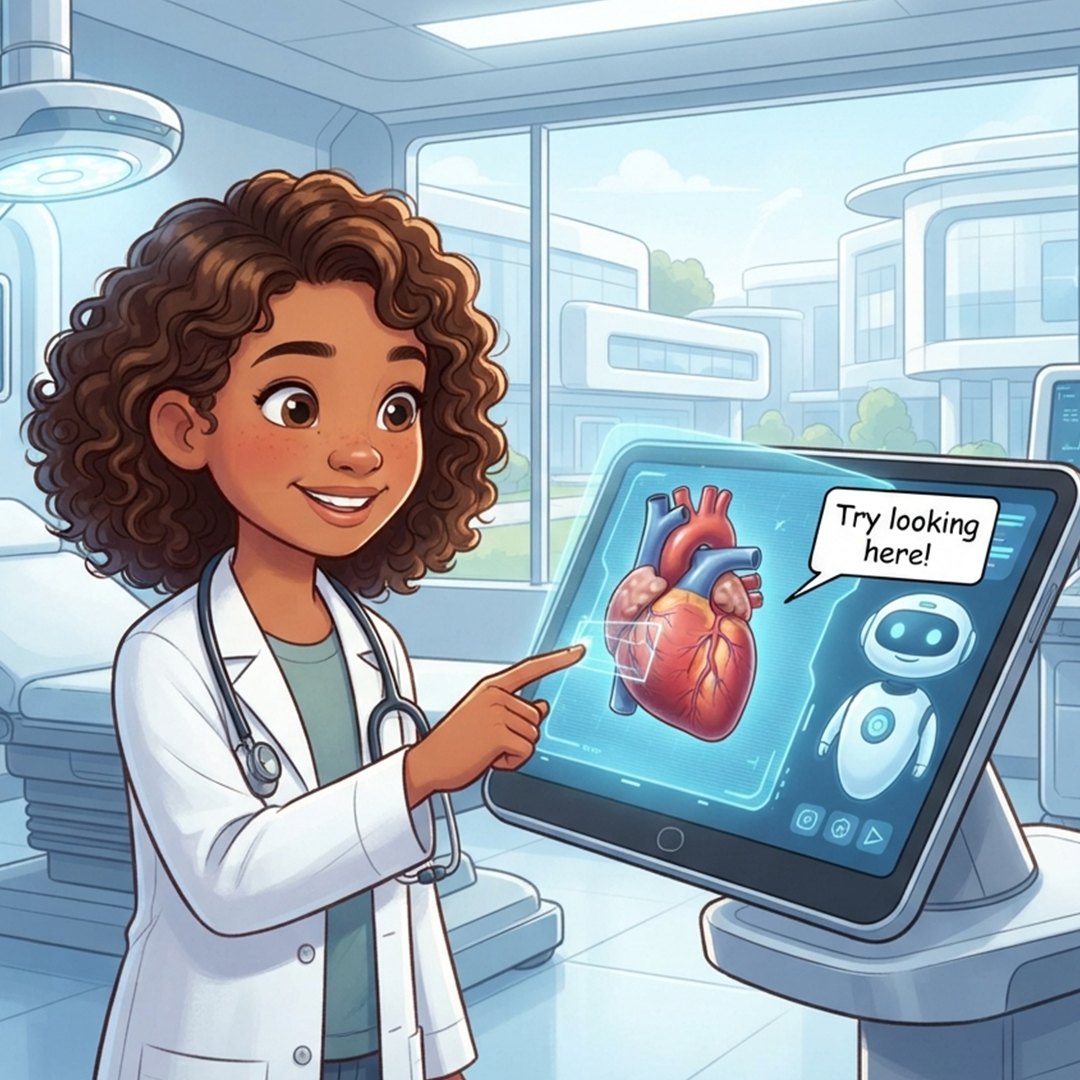
Healthcare
Healthcare
Spots cancer in X-rays, designs new medicines, predicts flu outbreaks, AI doctors' assistants.
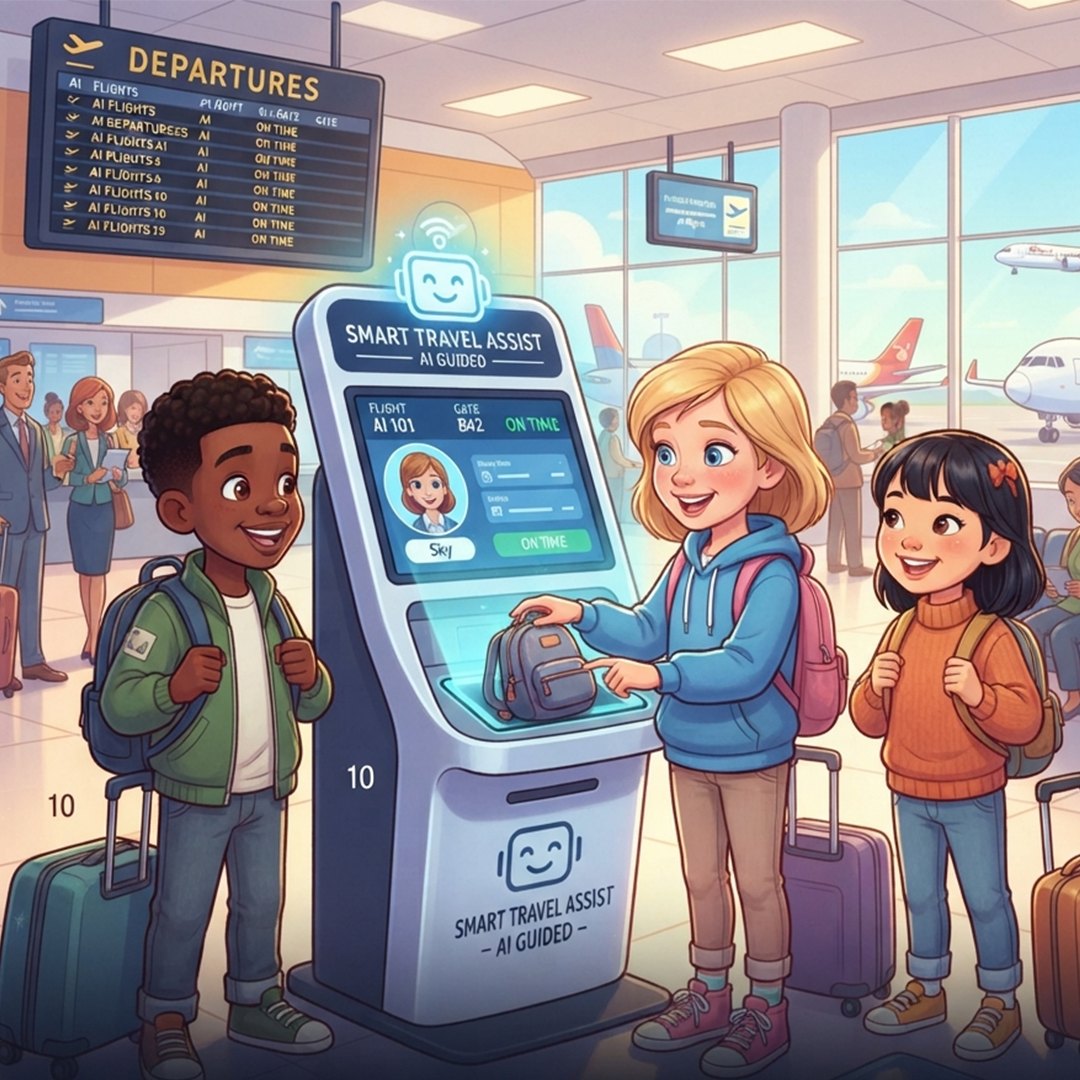
Transport
Transport
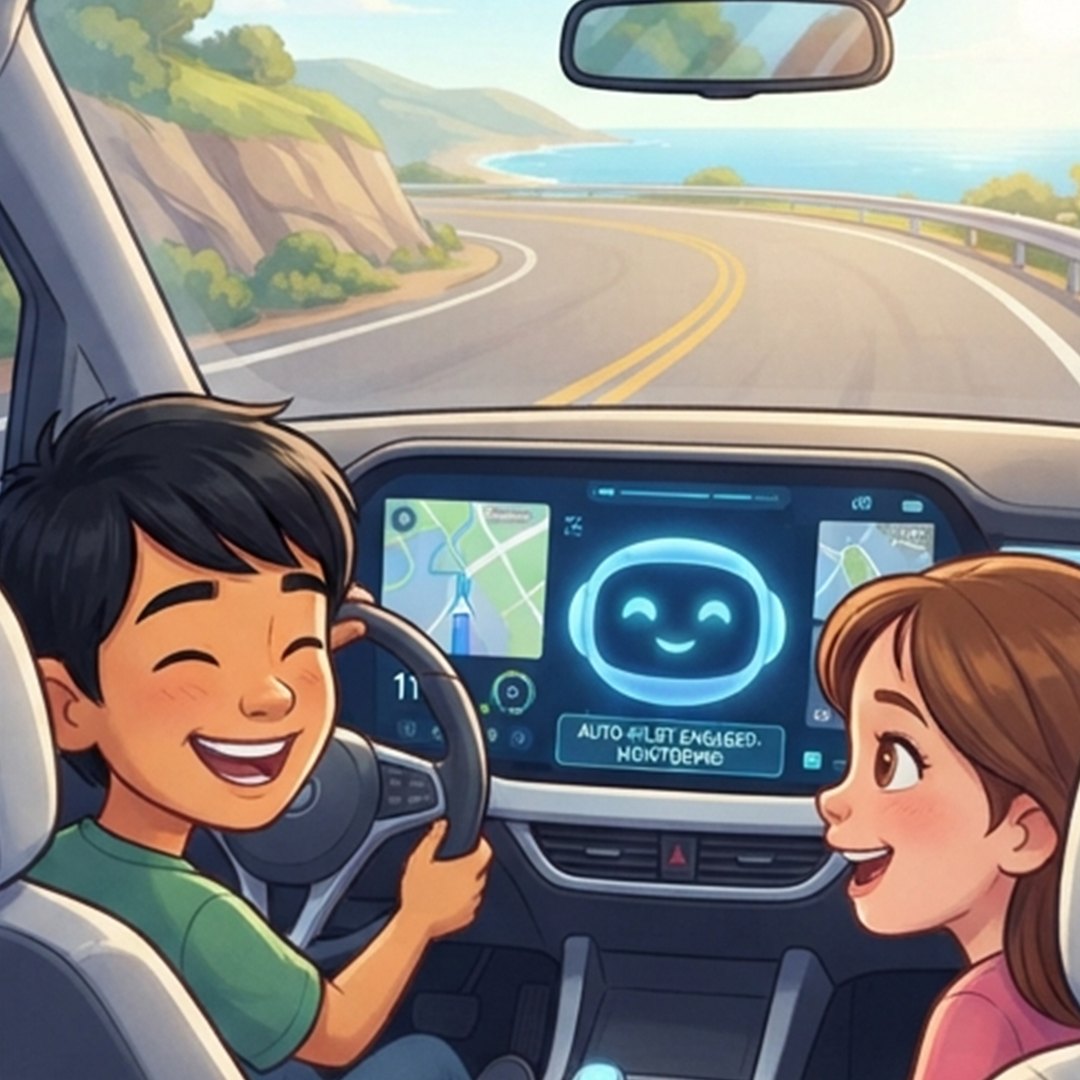
Self-driving cars, traffic light control, flight auto-pilot, train safety systems.
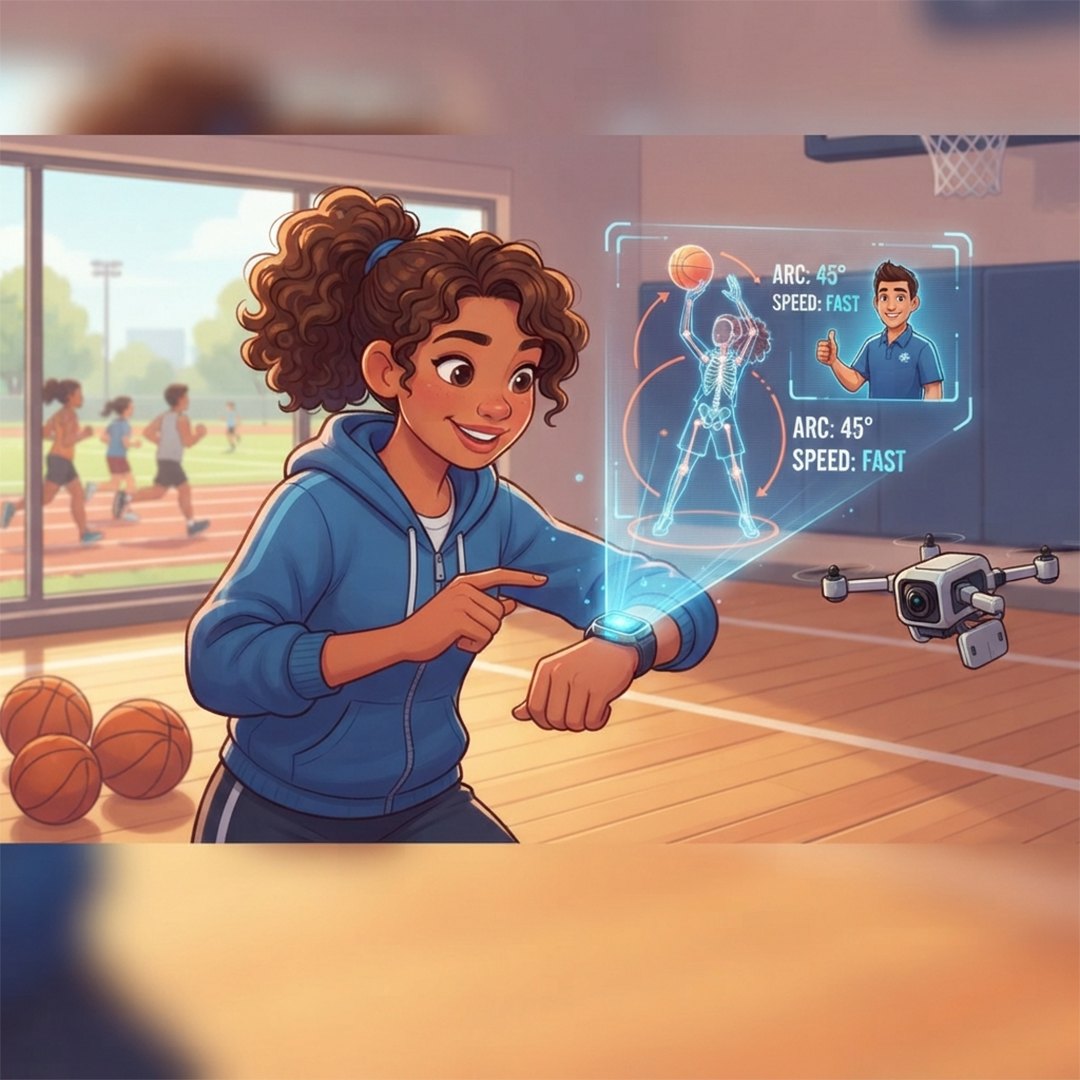
Entertainment
Entertainment
Netflix recommends shows, Spotify finds your songs, video game opponents, movie special effects.
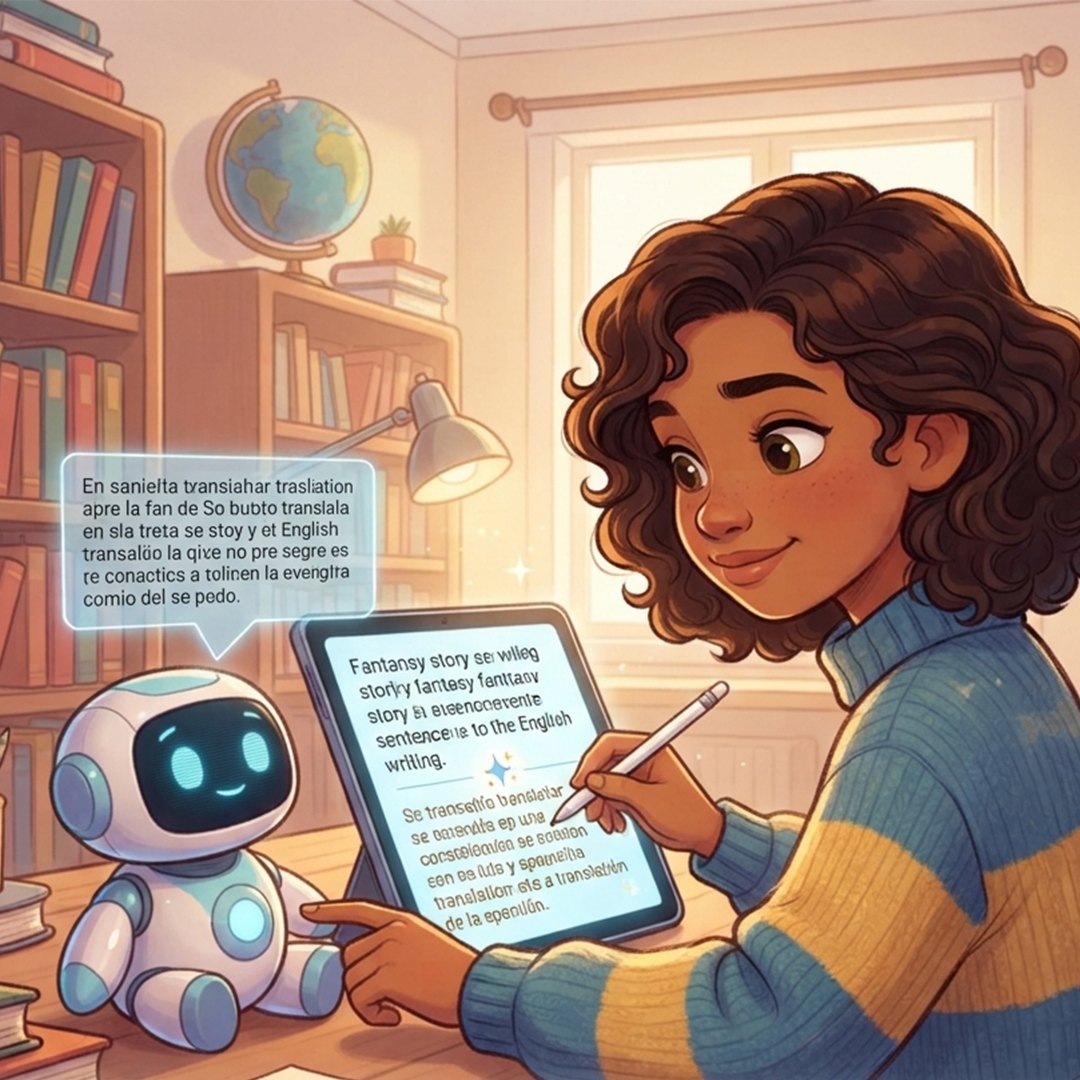
Smartphones
Smartphones
Face unlock on phones, voice assistants (Siri!), smart autocorrect, photo improvements.
Weather
Weather
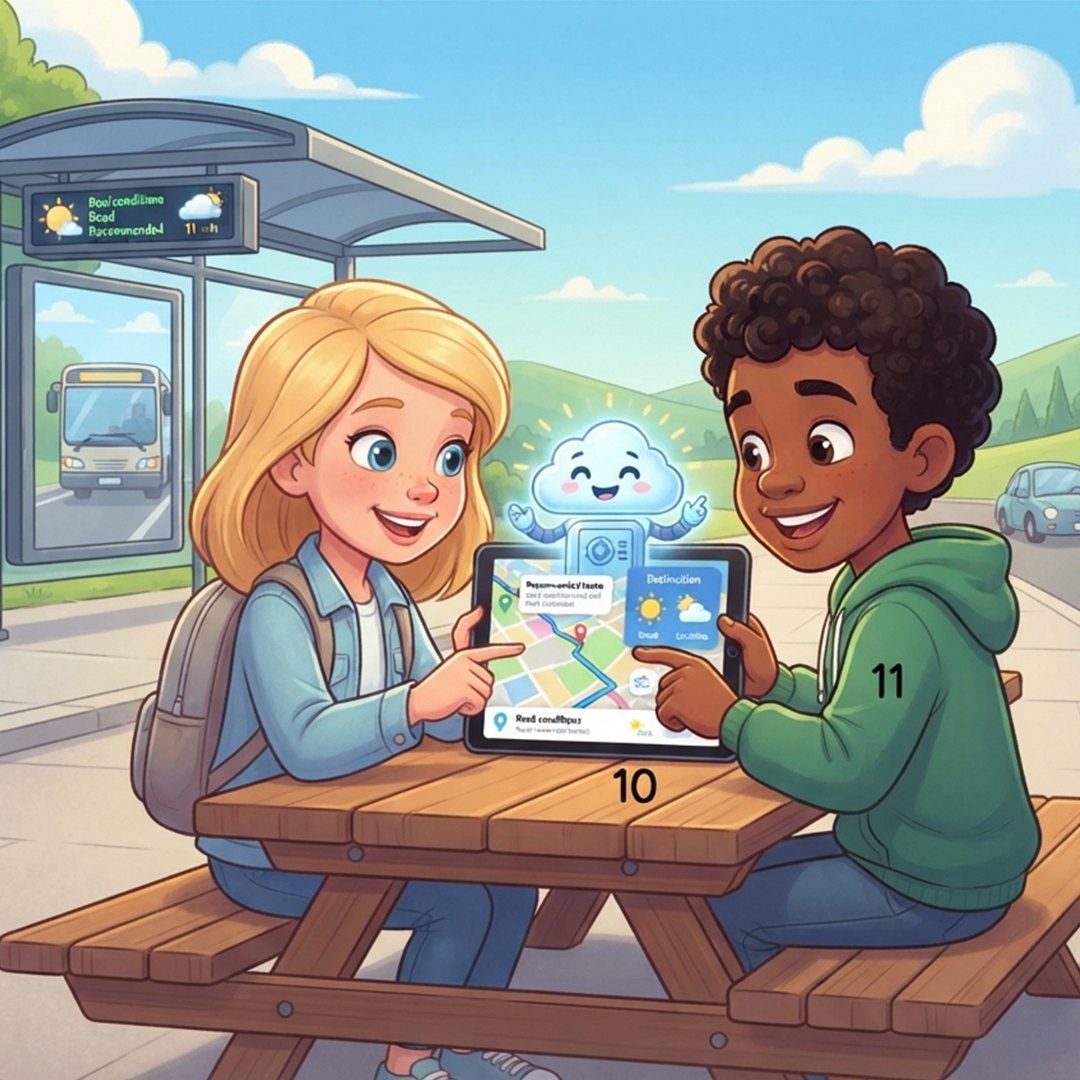
More accurate 5-day weather forecasts, hurricane prediction, climate monitoring, early flood warnings.
Food
Food
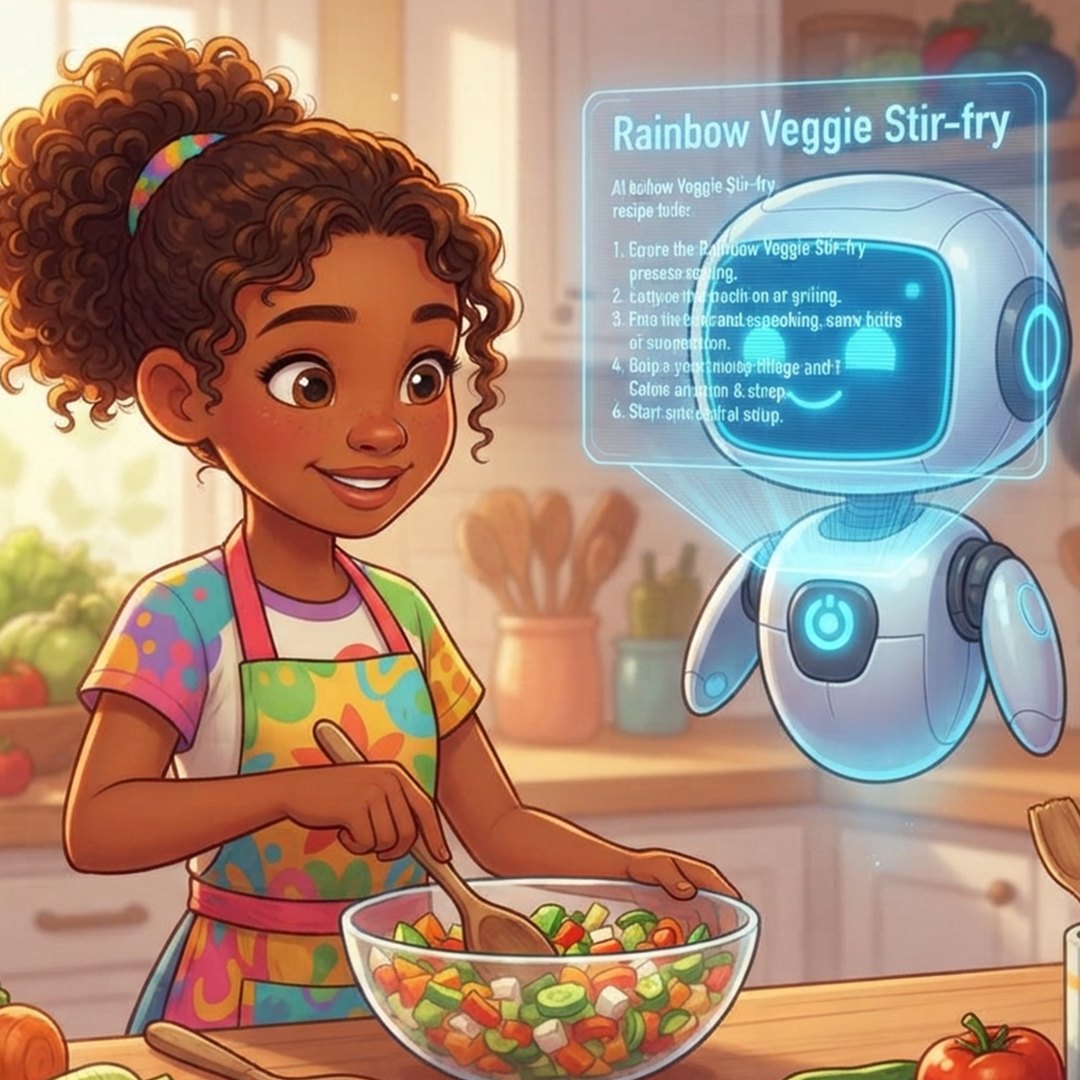
Robot pizza makers, food waste reduction, recipe suggestions, crop monitoring.
AI in Fashion, Space & More!
Fleur again here!
AI even designs clothes and helps us explore space! The list of what it can do keeps growing every single day.
👆 Click a card to flip it over. Click it again to flip it back.
Fashion
Fashion
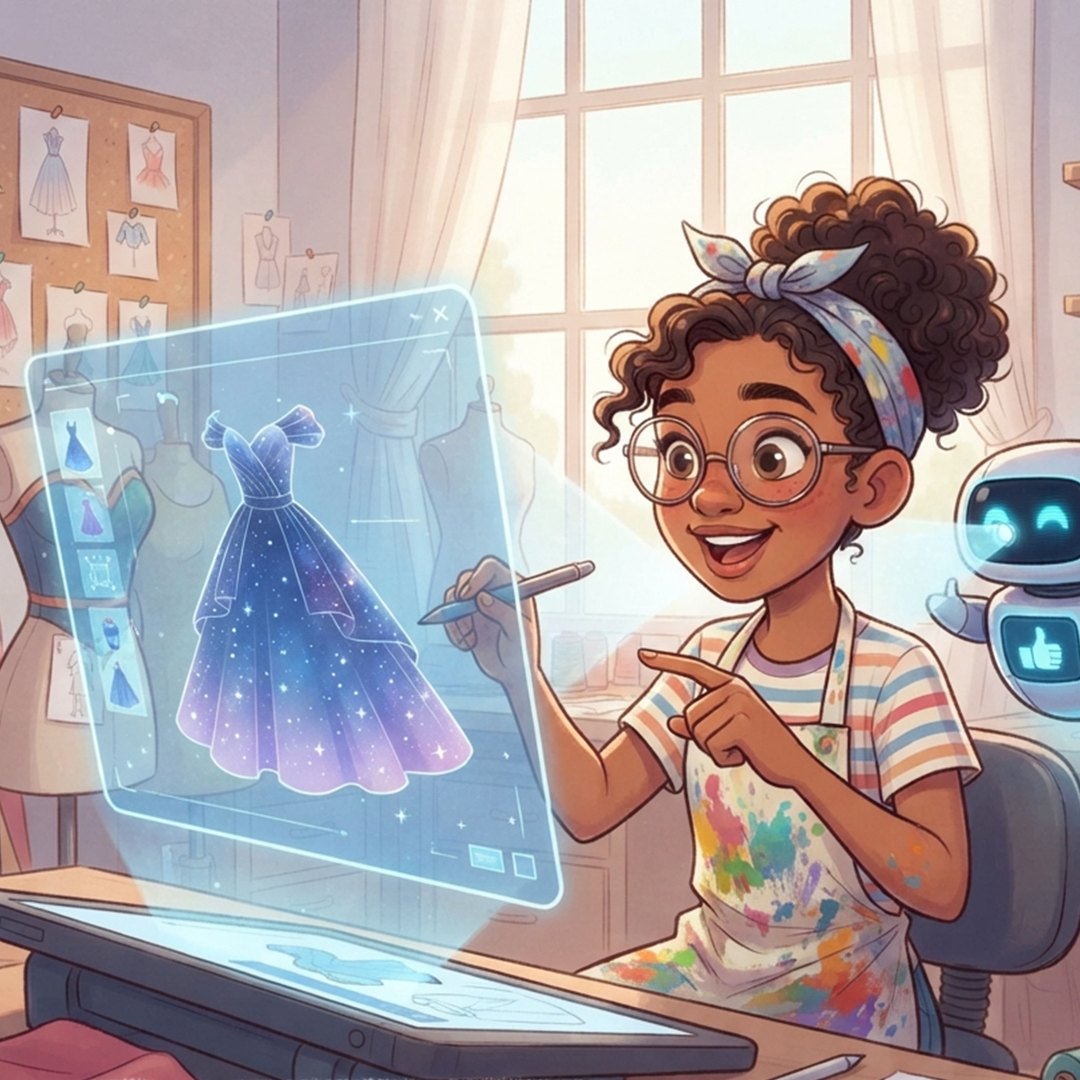
- Designs new clothes
- Recommends your style
- Virtual fitting rooms
- Predicts next trends
Environment
Environment
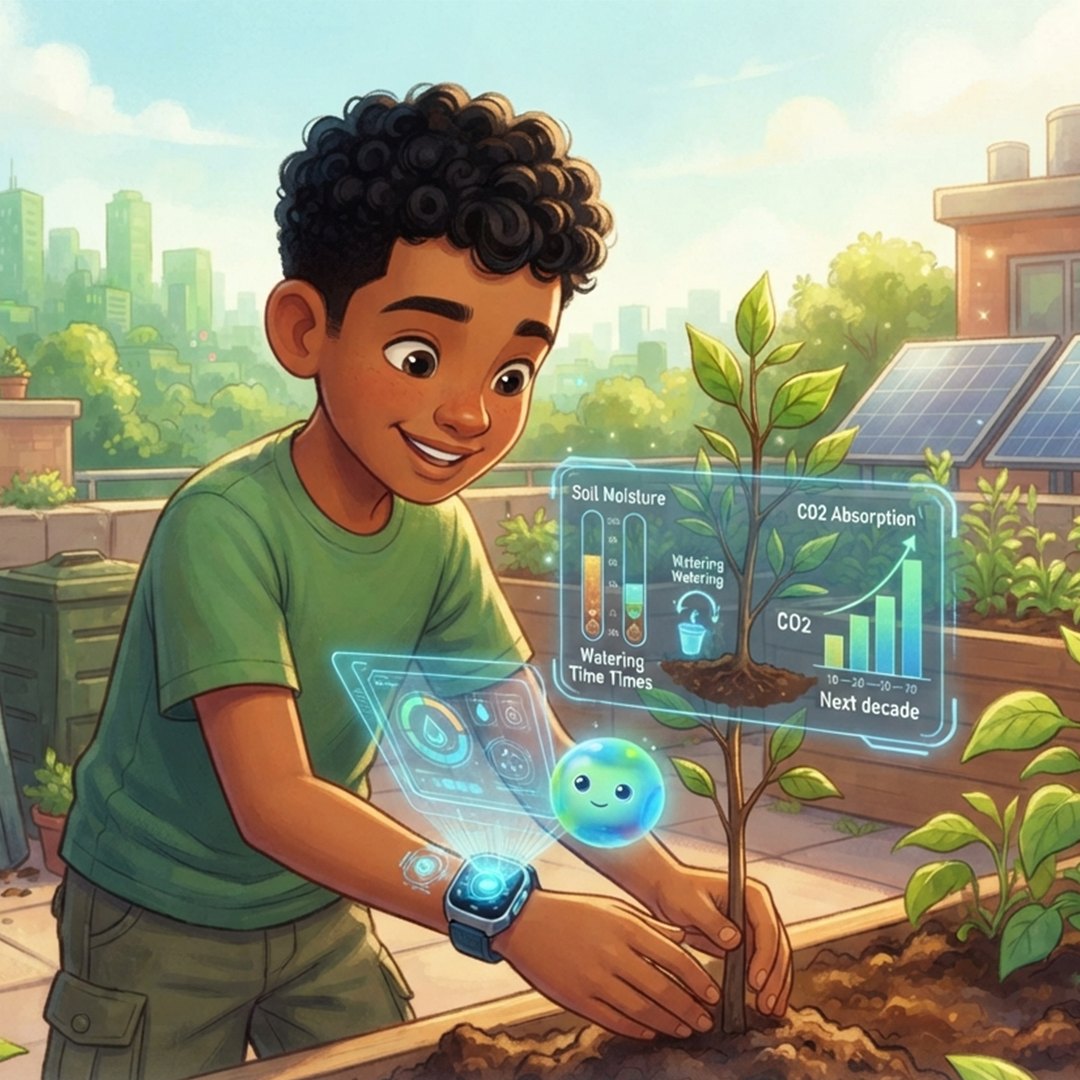
- Tracks deforestation
- Monitors wildlife
- Reduces energy waste
- Predicts wildfires
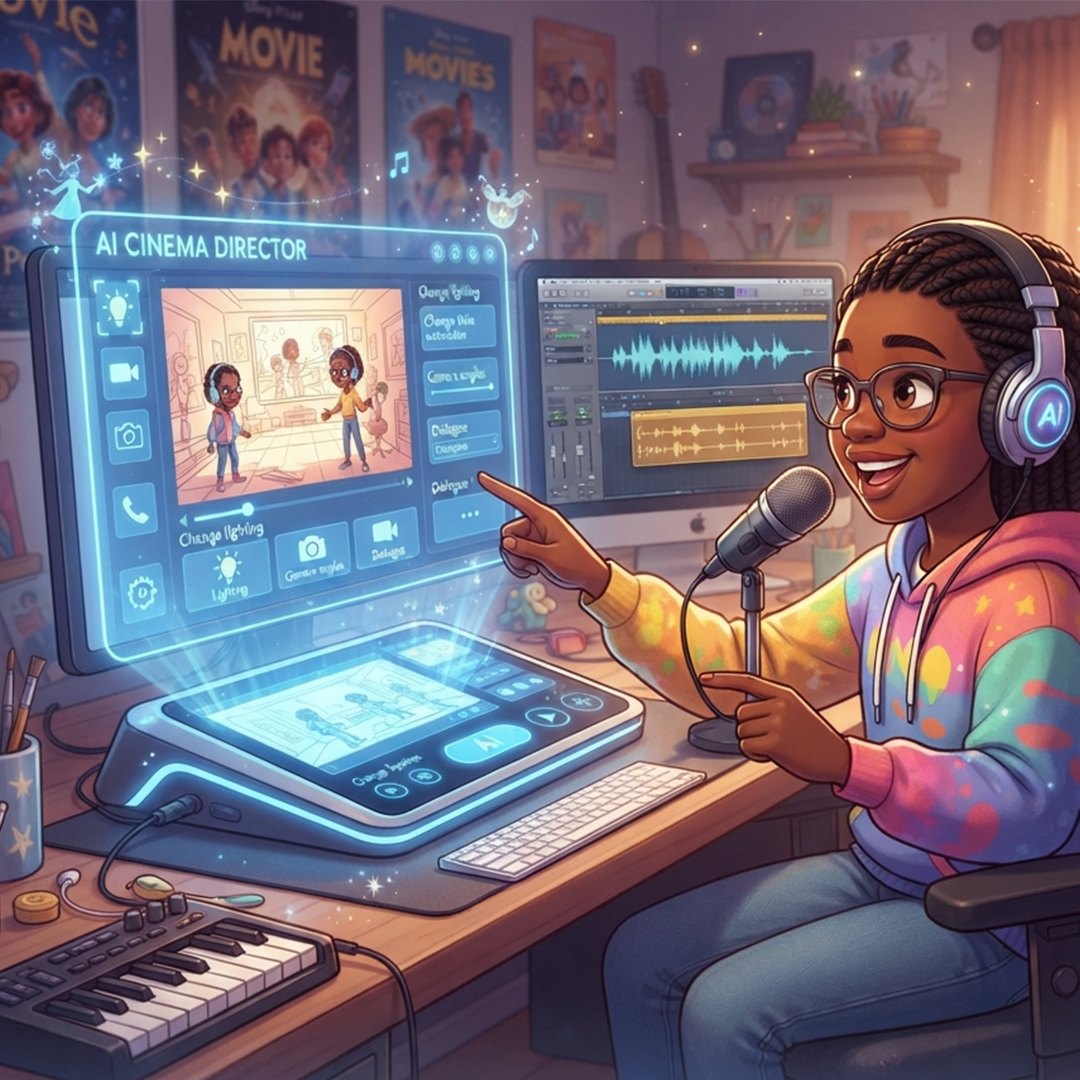
Art & Music
Art & Music
- Creates paintings
- Composes music
- Writes stories
- Generates videos
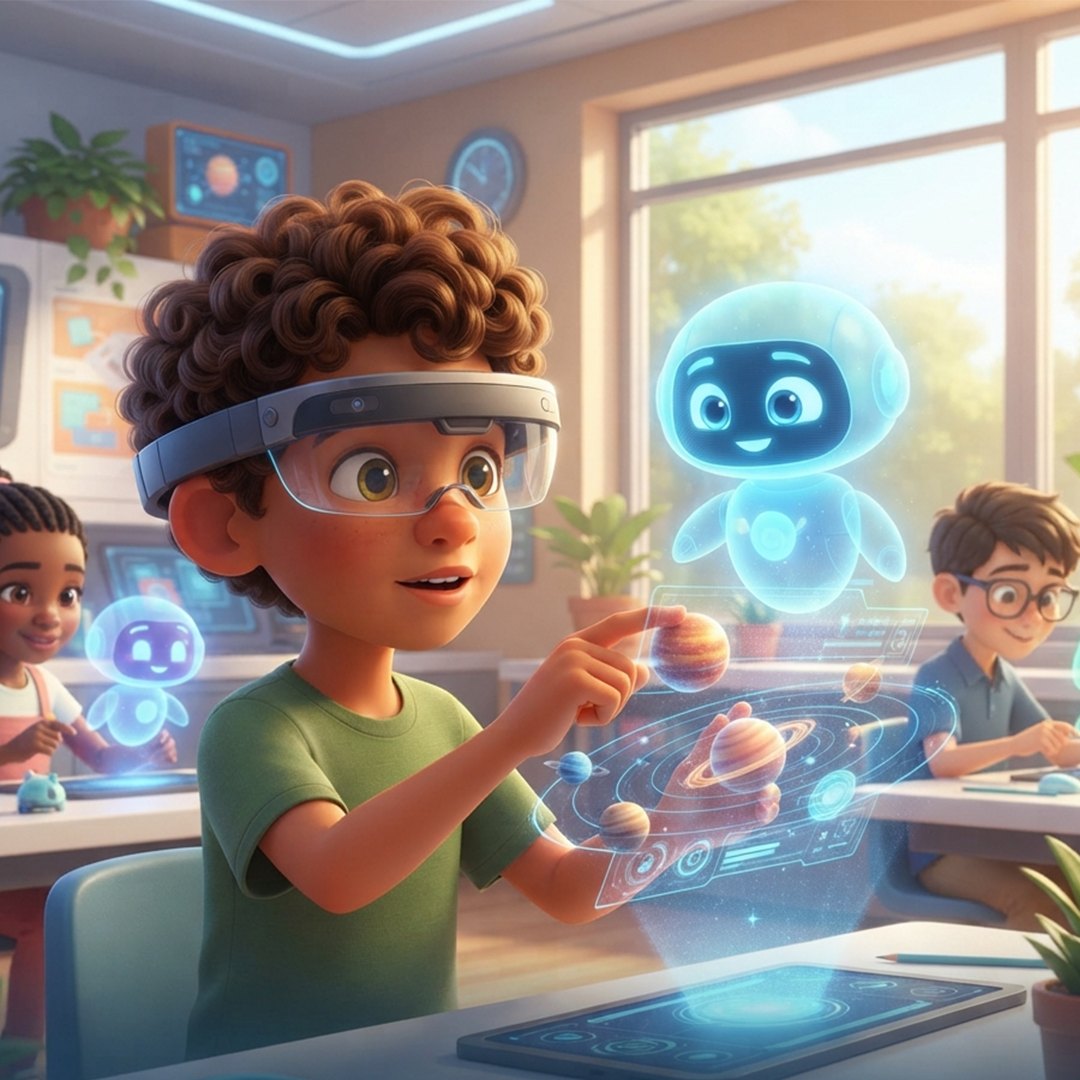
Education
Education
- Personalised lessons
- Instant feedback
- Language translation
- Answers some of your questions
- Teachers are still the best ones to help you learn and grow
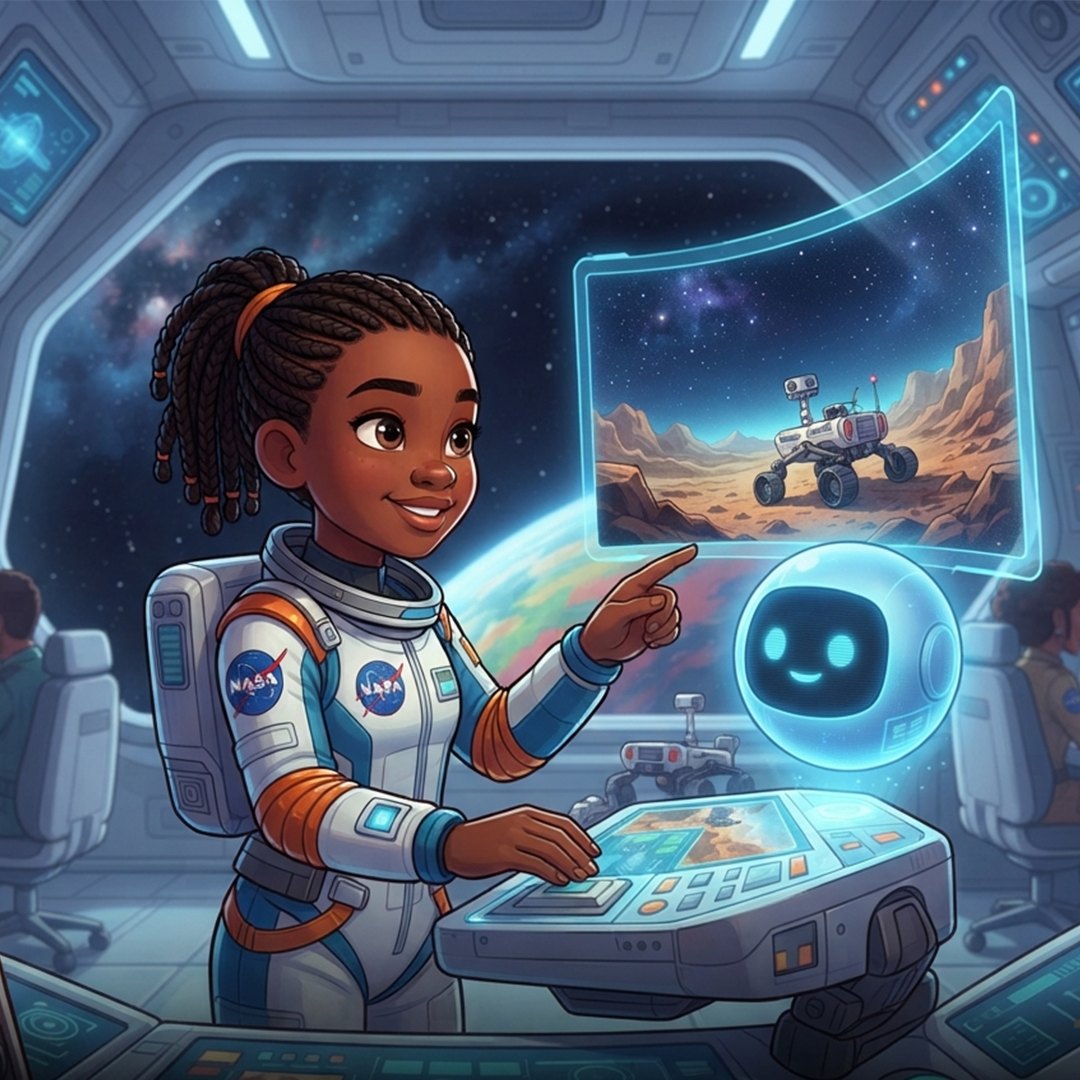
Space
Space
- Discovers new planets
- Guides Mars rovers
- Analyses star data
- Plans rocket routes
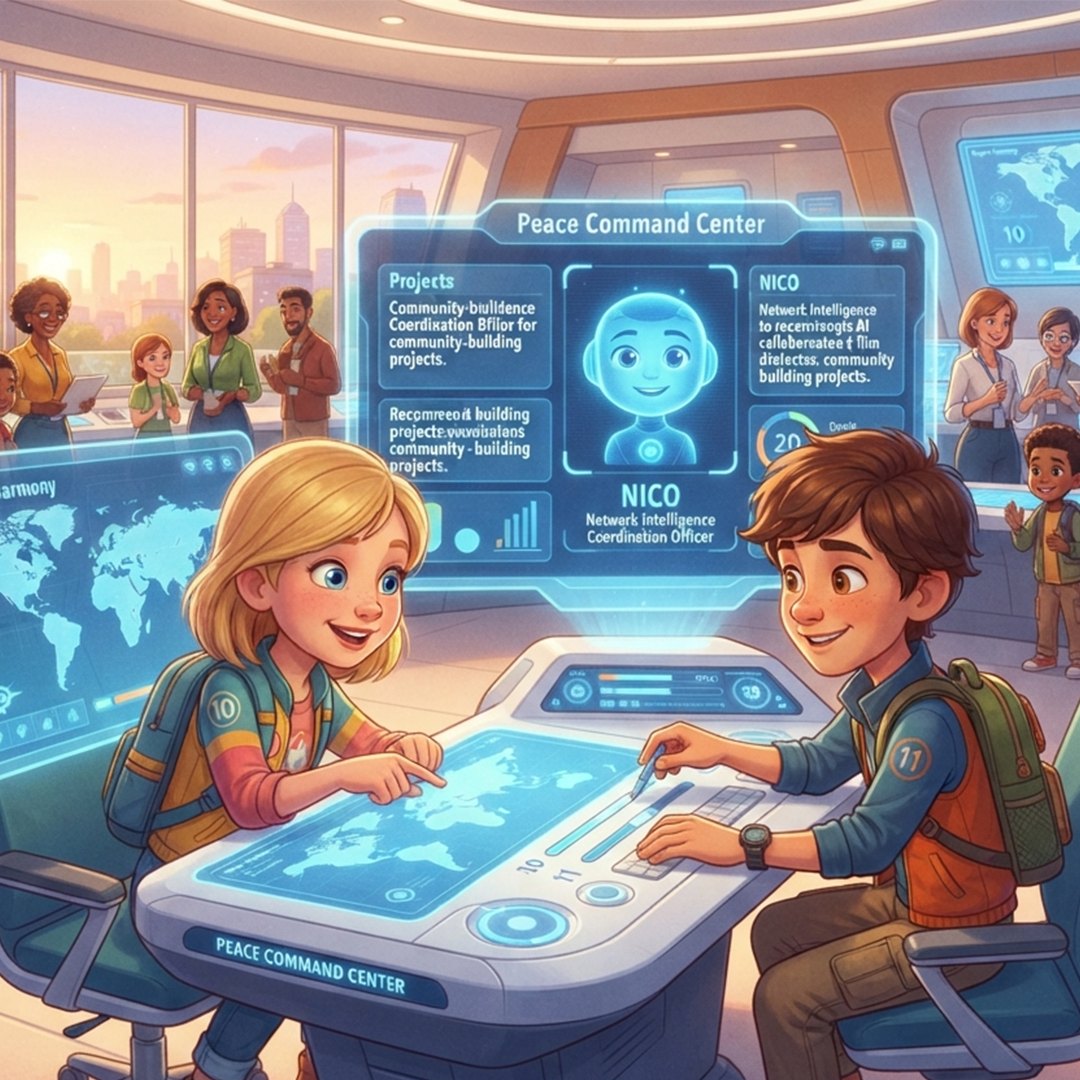
Defence
Defence
- Spots cyber attacks
- Monitors borders
- Analyses threats
- Helps keep us safe
- But only people can make peace
Katerina here — one more question for you!
How fast can AI read a medical scan?
Click an answer to reveal the right one below.
AI can read a medical scan in just 0.1 seconds — the same job takes a human doctor around 20 minutes! That means AI could help check 12,000 scans a day. Imagine how many lives that could save! But only a doctor can put the scan together with everything else about the patient — their history, their family, how they feel — and decide on the diagnosis and the treatment.
The Good Side of AI
This is Rebecca. Are you enjoying it so far?
AI can do so many AMAZING things to help people and make the world a better place. Let me show you some!
❤️ Saves Lives
- Detects cancer early
- Finds rare diseases faster
- Speeds up drug discovery
- Monitors patients 24/7
🤝 Helps Everyone
- Reads text aloud for blind
- Translates sign language
- Helps speech difficulties
- Makes tech accessible
🌍 Helps the Planet
- Tracks climate change
- Makes solar panels smarter
- Reduces food waste
- Plans eco-friendly routes
🎓 Better Learning
- Explains in YOUR way
- Gives instant feedback
- Translates any language
- Works at your own pace
🔬 Science Booster
⏰ Saves Time
- Does repetitive tasks
- Answers questions fast
- Organises information
- Frees humans to be creative!
It's Anish — over to me for this one!
How long did it take AI to help design a COVID-19 vaccine?
Click an answer to reveal the right one below.
AI helped scientists design a COVID-19 vaccine in just 42 days — something that used to take 10-15 YEARS! AI analysed millions of molecules to find the right combinations. Science is amazing!
The Tricky Side of AI
Back to me, Ronan!
AI is powerful — but that means we need to be careful! Here are some real risks we need to think about and talk about.
🎭 Deepfakes
- AI can make fake videos
- Real people saying fake things
- Can spread wrong information
- ALWAYS check sources!
🔒 Privacy
- AI learns from YOUR data
- Facial recognition in public
- Your online habits tracked
- Think before you share!
⚖️ Unfair AI
- Trained on biased data
- Can treat people unfairly
- May ignore some groups
- Fairness must be designed in
💼 Job Changes
- Some jobs may disappear
- New jobs will appear too!
- Learning skills still matters
- Humans + AI is the future
📰 Fake News
- AI writes convincing lies
- Fake photos and videos
- Hard to spot sometimes
- Check multiple sources!
😴 Over-Reliance
- AI can make us lazy
- We might stop thinking
- Always use your brain too!
- AI helps, YOU decide!
Bembe here.
In 2024, someone used AI to fake whose voice to steal millions of pounds?
Click an answer to reveal the right one below.
Deepfake videos have fooled millions of people! In 2024, someone used AI to fake the voice of a bank manager and steal millions of pounds. This is why AI safety laws are SO important.
Responsible AI: Using It Wisely
Ethics means thinking about what is RIGHT and FAIR. Good AI must be fair, safe, honest and helpful to EVERYONE — not just some people!
The 5 Principles of Responsible AI
Keep scrolling to see all five!
Hi, I'm Ling — one more question!
What did the European Union pass in 2024?
Click an answer to reveal the right one below.
The European Union passed its landmark AI Act in 2024 — the world's first major AI safety law! It bans AI that manipulates children or uses secret surveillance. Governments are working hard to keep AI responsible and people safe!
AI Careers – Your Future!
My name is Nallah, and I want to talk to you about the work you might do one day!
A lot of grown-ups are worried that AI will take their jobs away.
The jobs of the future haven't even been invented yet! But we know they'll involve AI. Here are some exciting careers waiting for YOU!
↕ Keep scrolling to shuffle through all 9 careers
AI Doctor
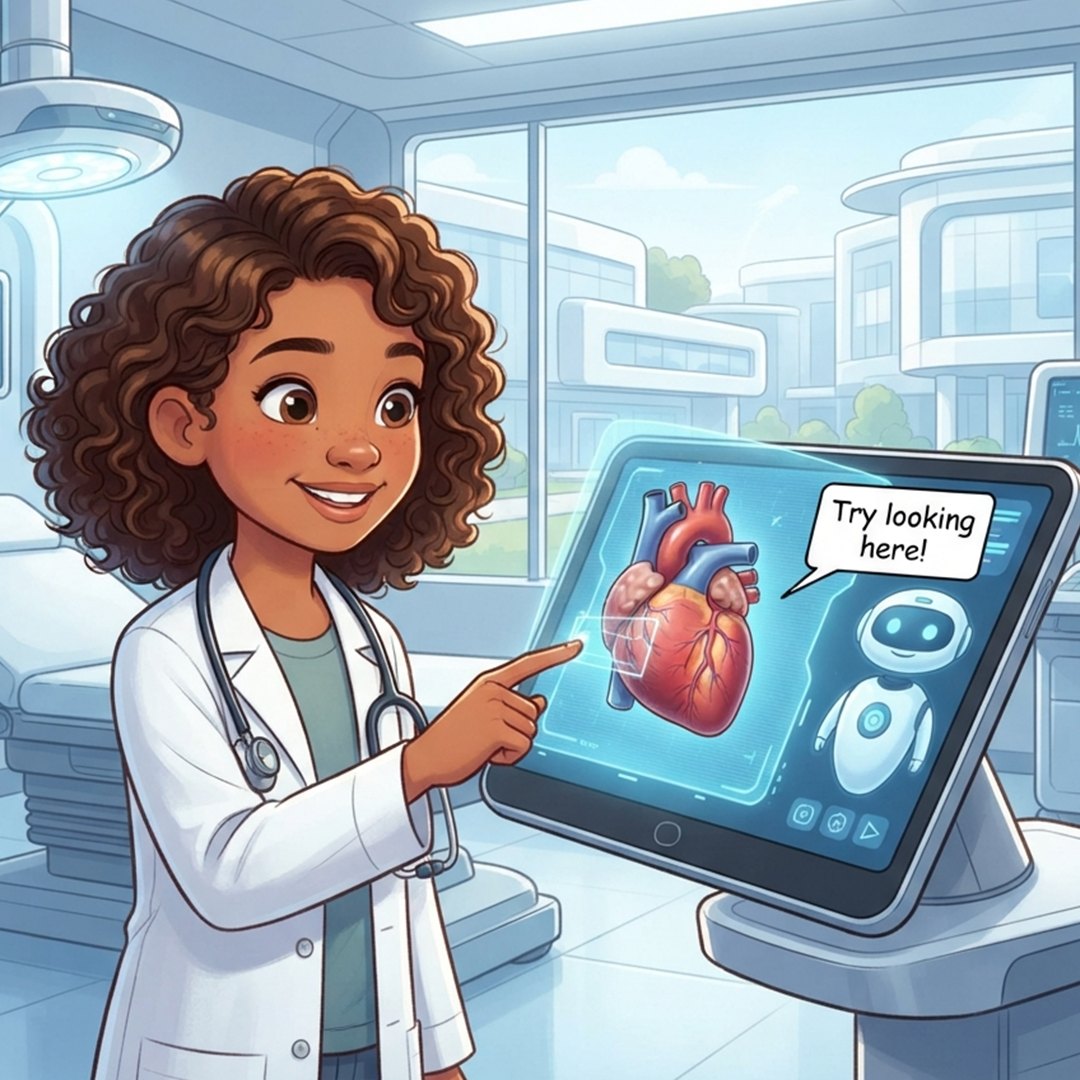
AI Doctor
Uses AI to spot diseases in scans and find the best treatment for each patient.
Study: Medicine + Computer Science
AI Game Designer
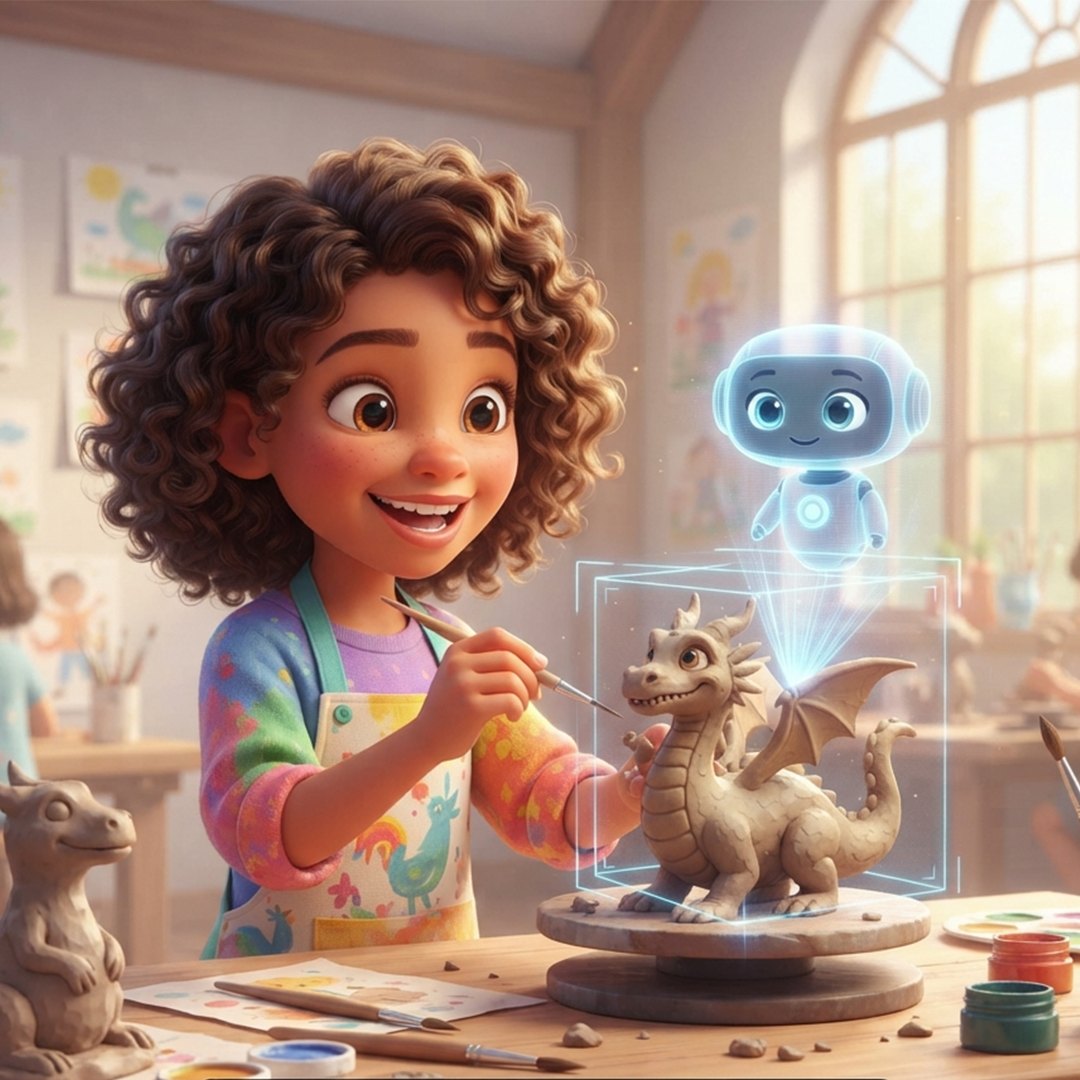
AI Game Designer
Creates intelligent characters and worlds in video games that learn and adapt to players.
Study: Computing + Art + Maths
AI Climate Scientist
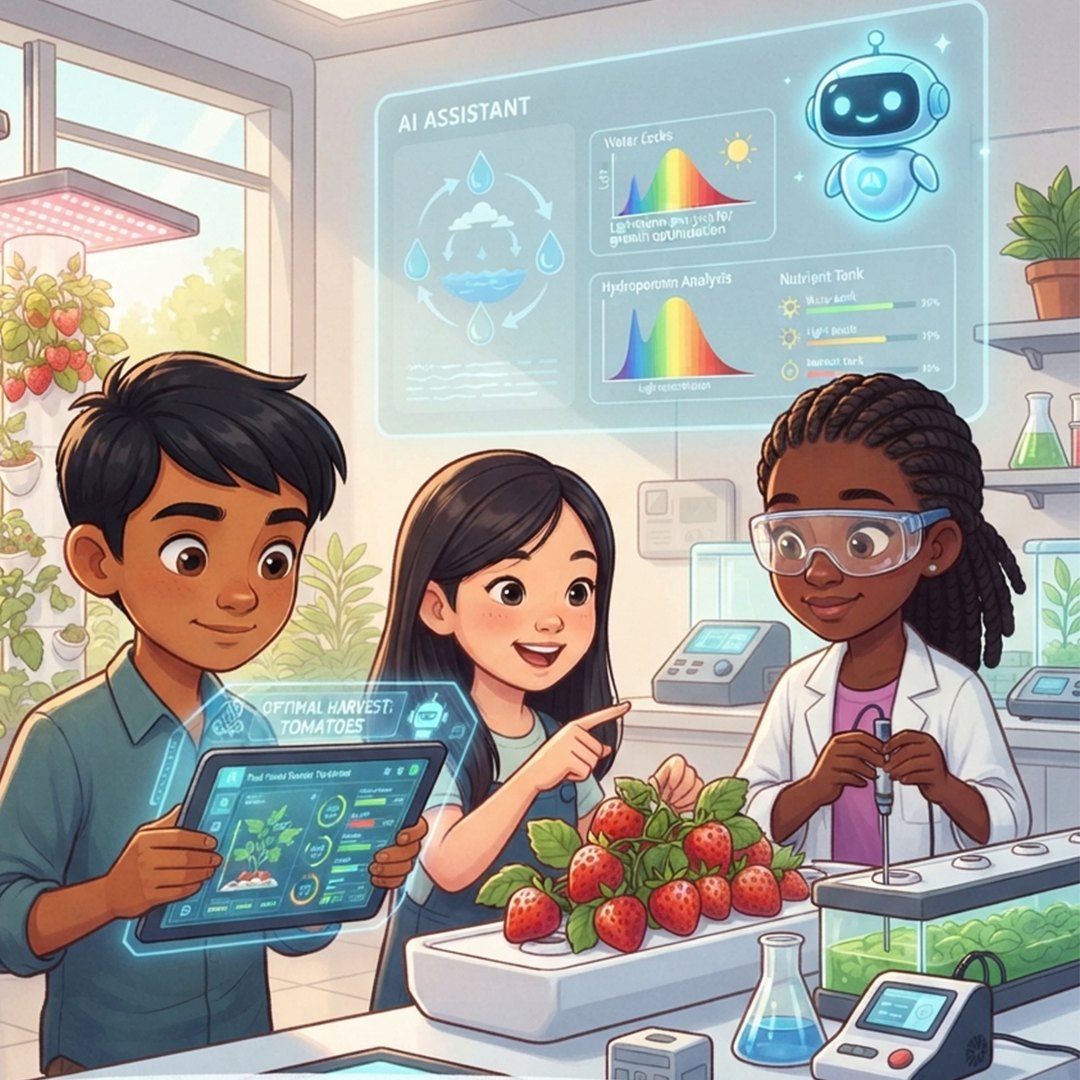
AI Climate Scientist
Builds AI models to predict climate change and find solutions to save our planet.
Study: Science + Geography + Maths
AI Ethics Lawyer
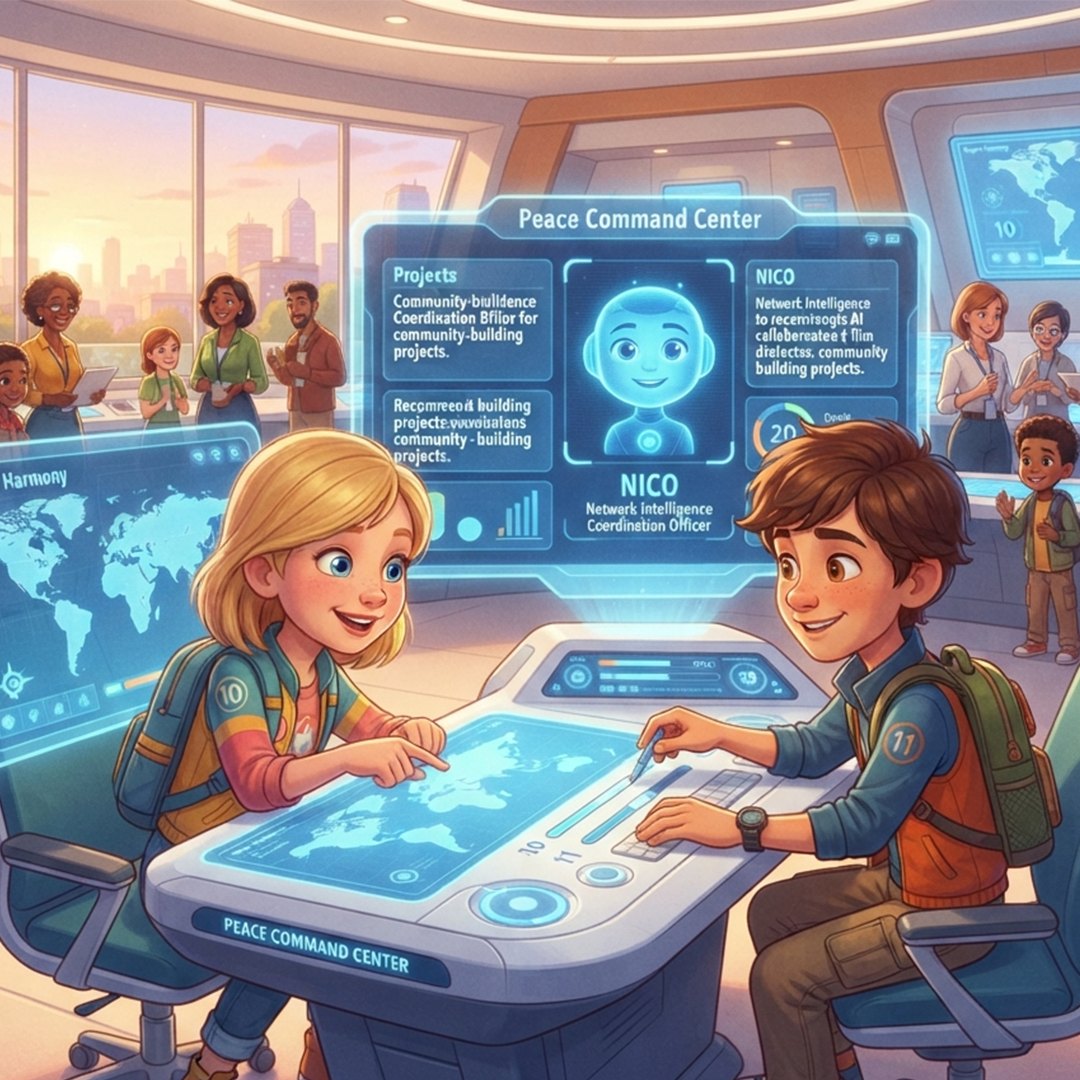
AI Ethics Lawyer
Makes sure AI is used fairly and legally. Fights for people's rights in the digital world.
Study: Law + Technology + Ethics
AI Food Engineer
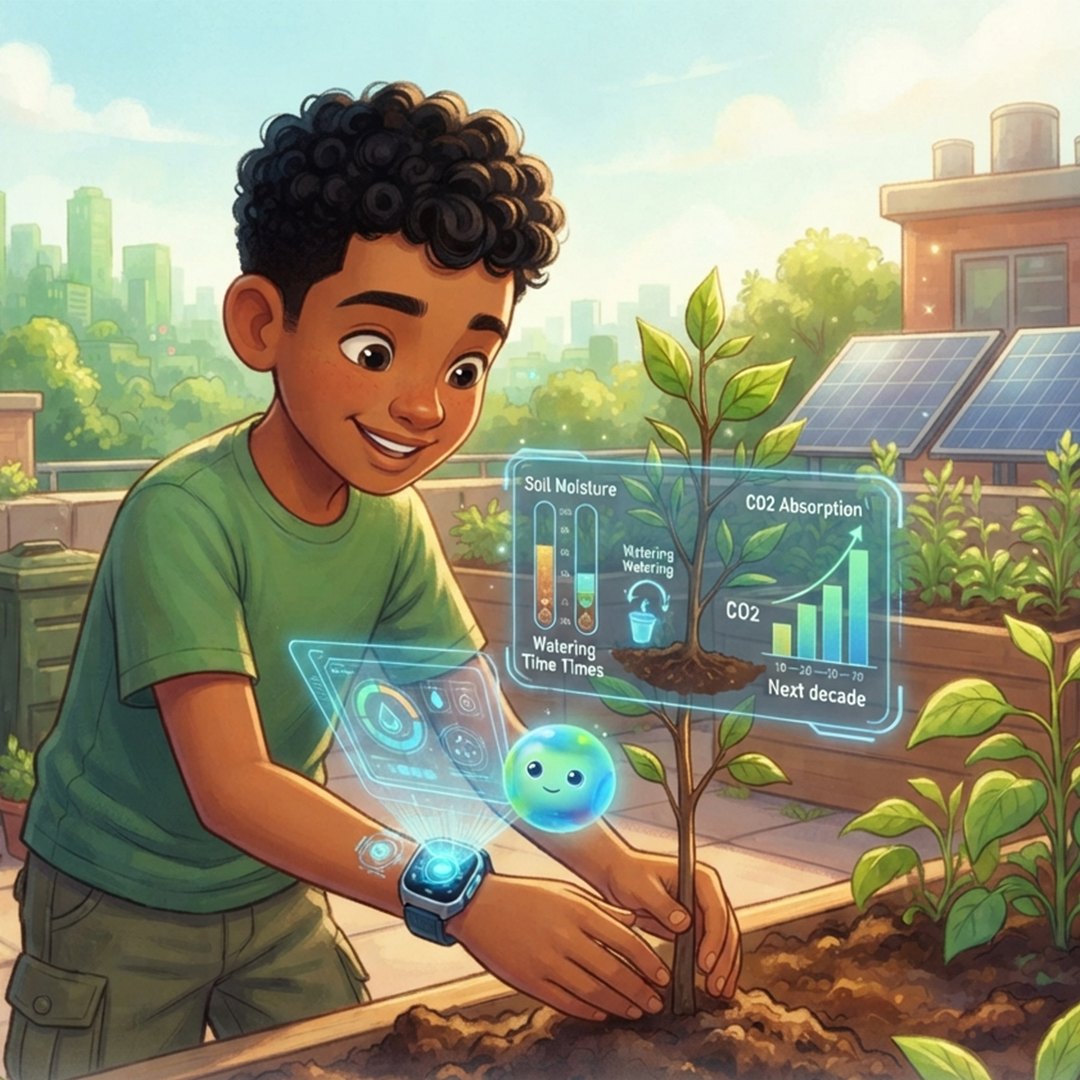
AI Food Engineer
Designs AI systems that create new foods, reduce waste and feed more people sustainably.
Study: Biology + Food Science + Computing
AI Teacher
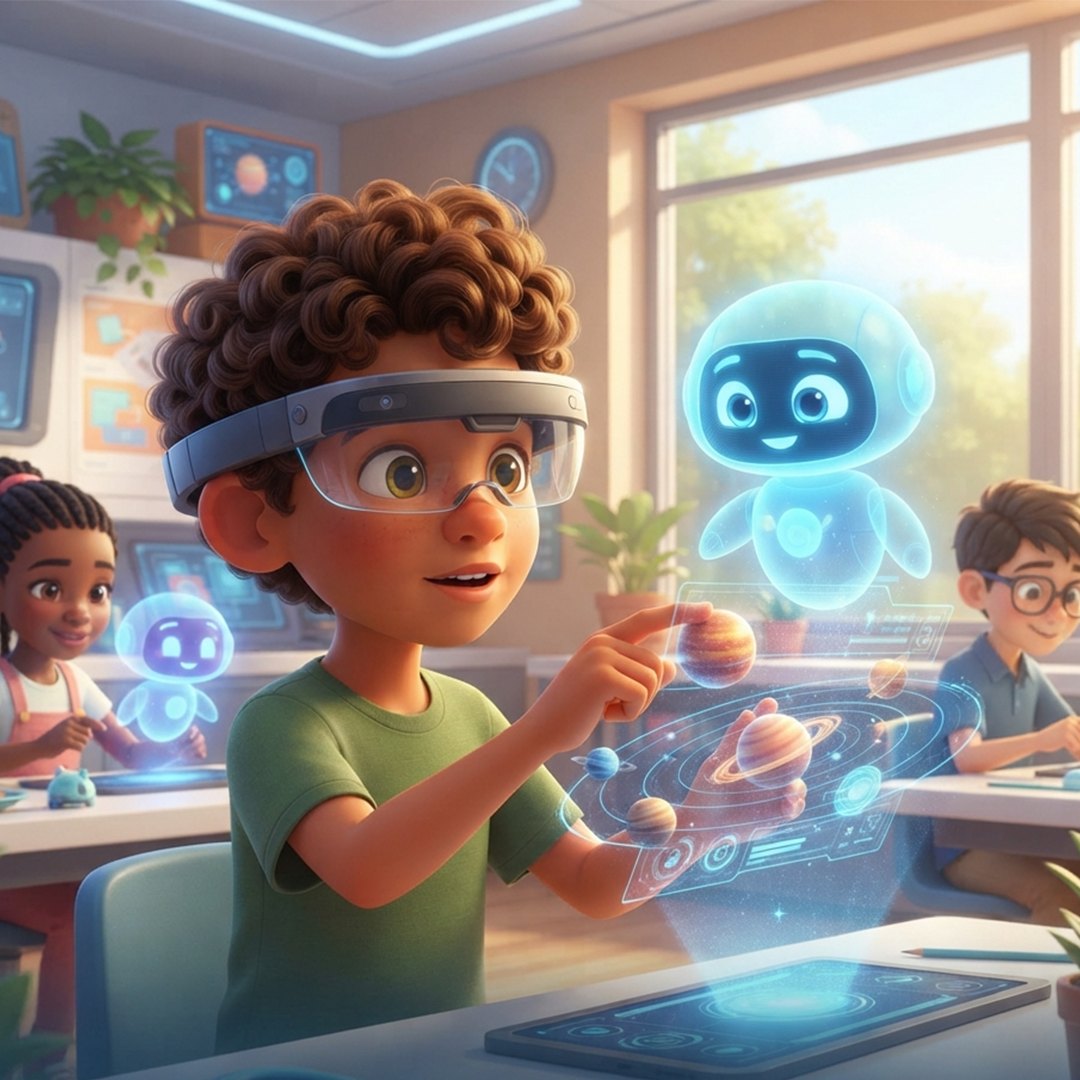
AI Teacher
Creates personalised AI learning tools that help every student learn in their own best way.
Study: Education + Psychology + Computing
AI Artist
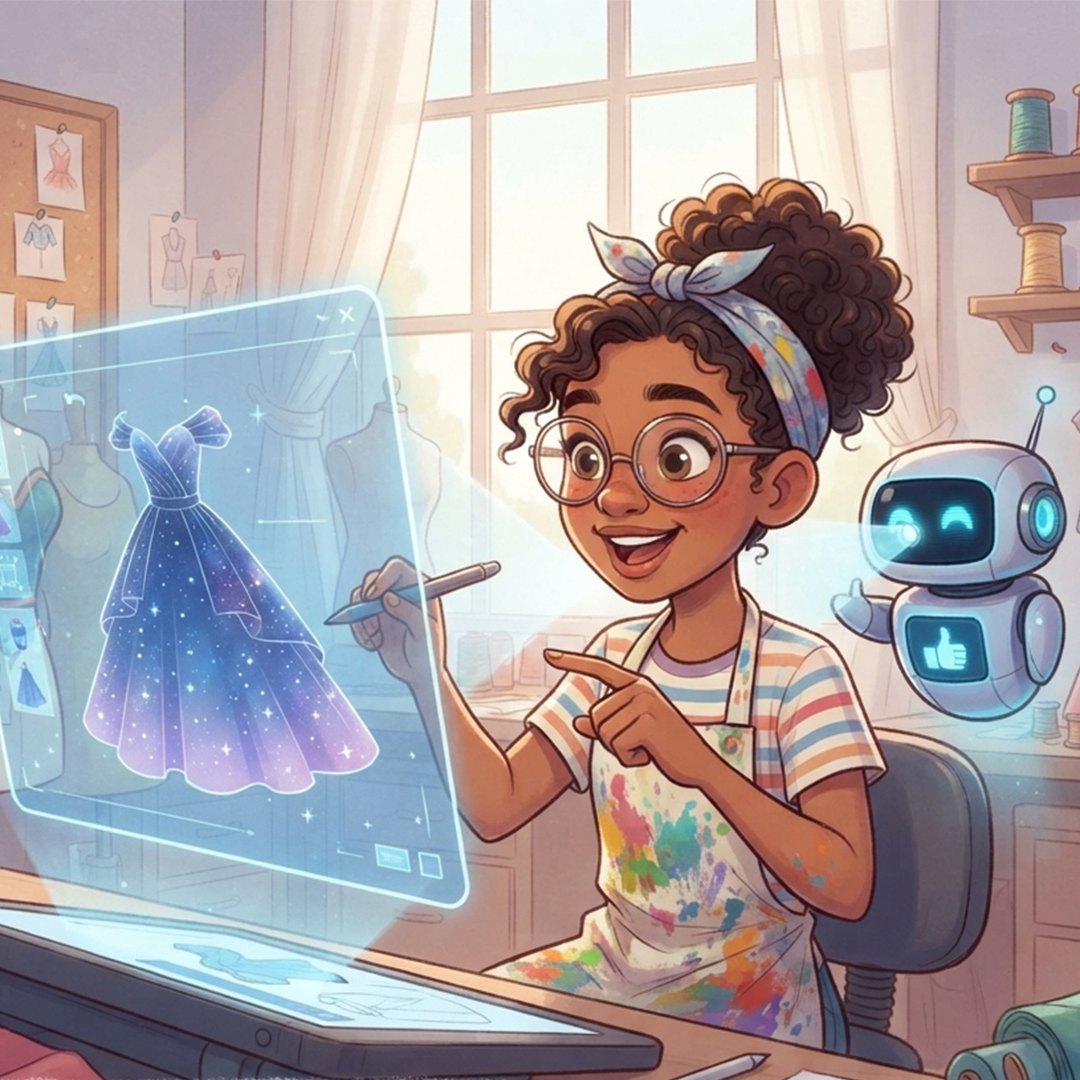
AI Artist
Combines human creativity with AI tools to make breathtaking art, music and stories.
Study: Art + Creative Computing
AI Banker
AI Banker
Builds AI that spots a stolen card in a split second and keeps people’s money safe.
Study: Maths + Economics + Computer Science
AI Safety Engineer
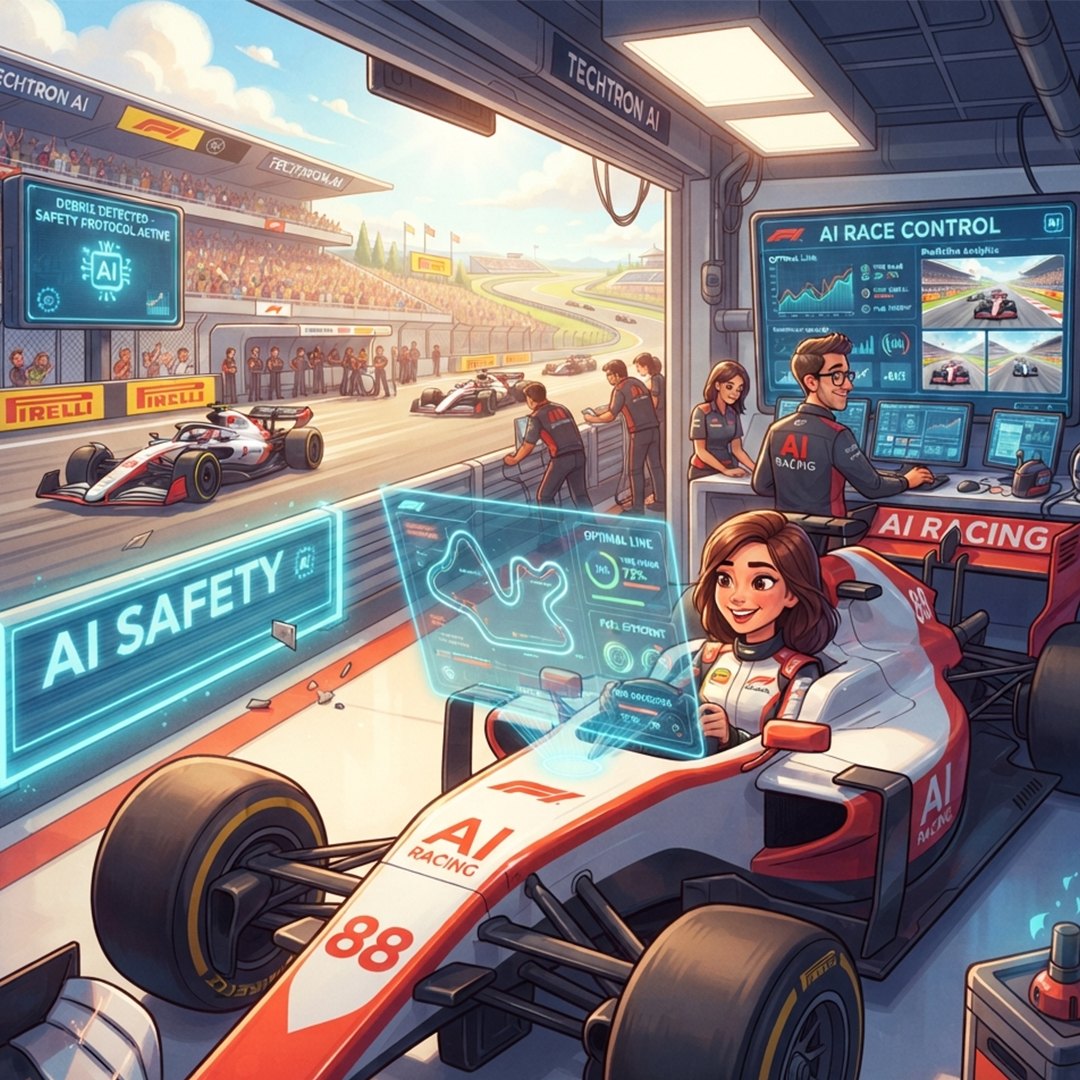
AI Safety Engineer
Tests AI systems to find problems before they cause harm. The guardians of safe AI.
Study: Engineering + Computing + Ethics
What Should I Study?
Hi, Rebecca again!
You don't have to decide NOW — but it's never too early to start building brilliant skills! Here's what will help you work with AI.
👆 Click a card to flip it over
Maths
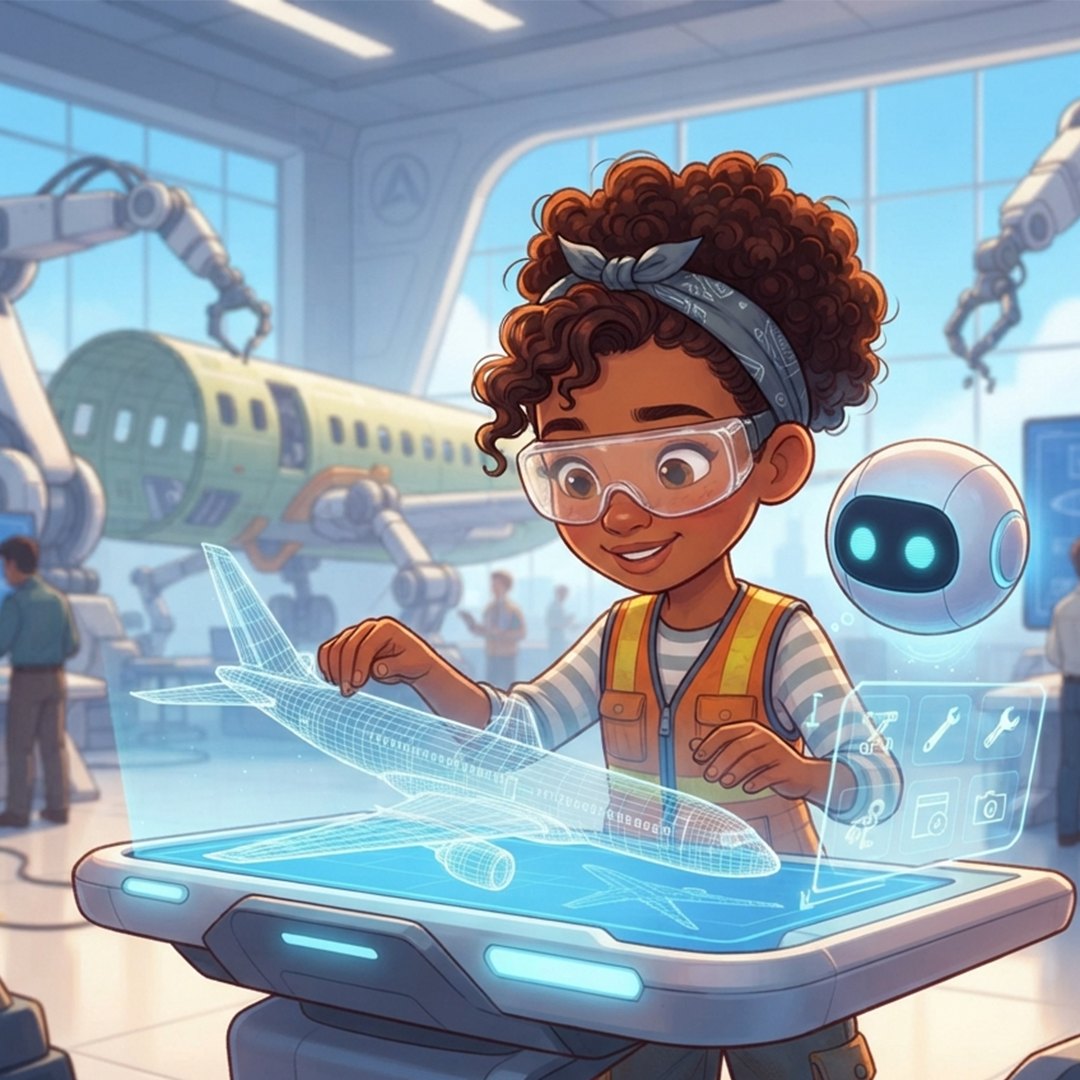
Maths
Algebra & statistics, problem solving, logical thinking — the language of AI.
Computing
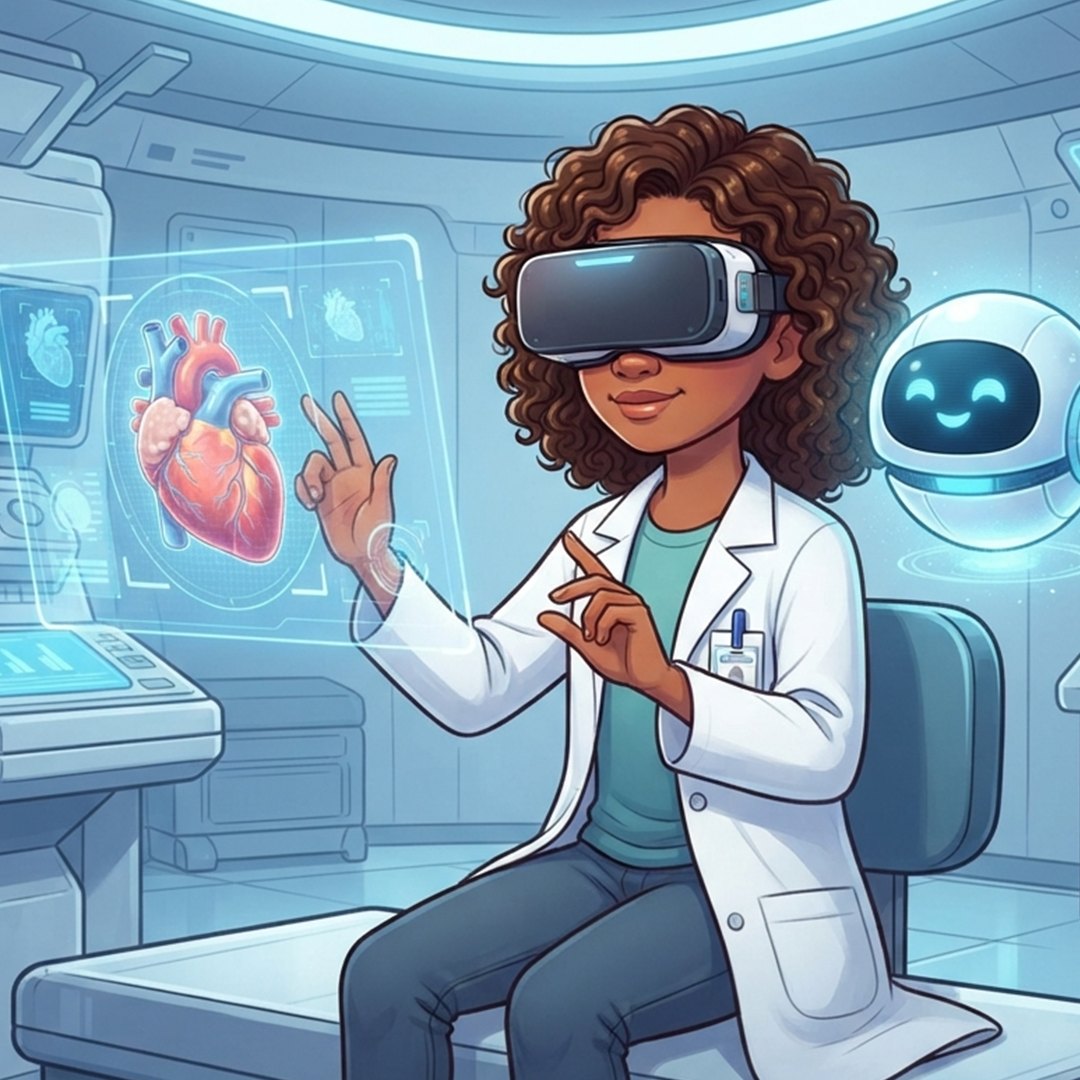
Computing
Basic coding (Scratch!), how computers work, data and databases, app & game making.
Science
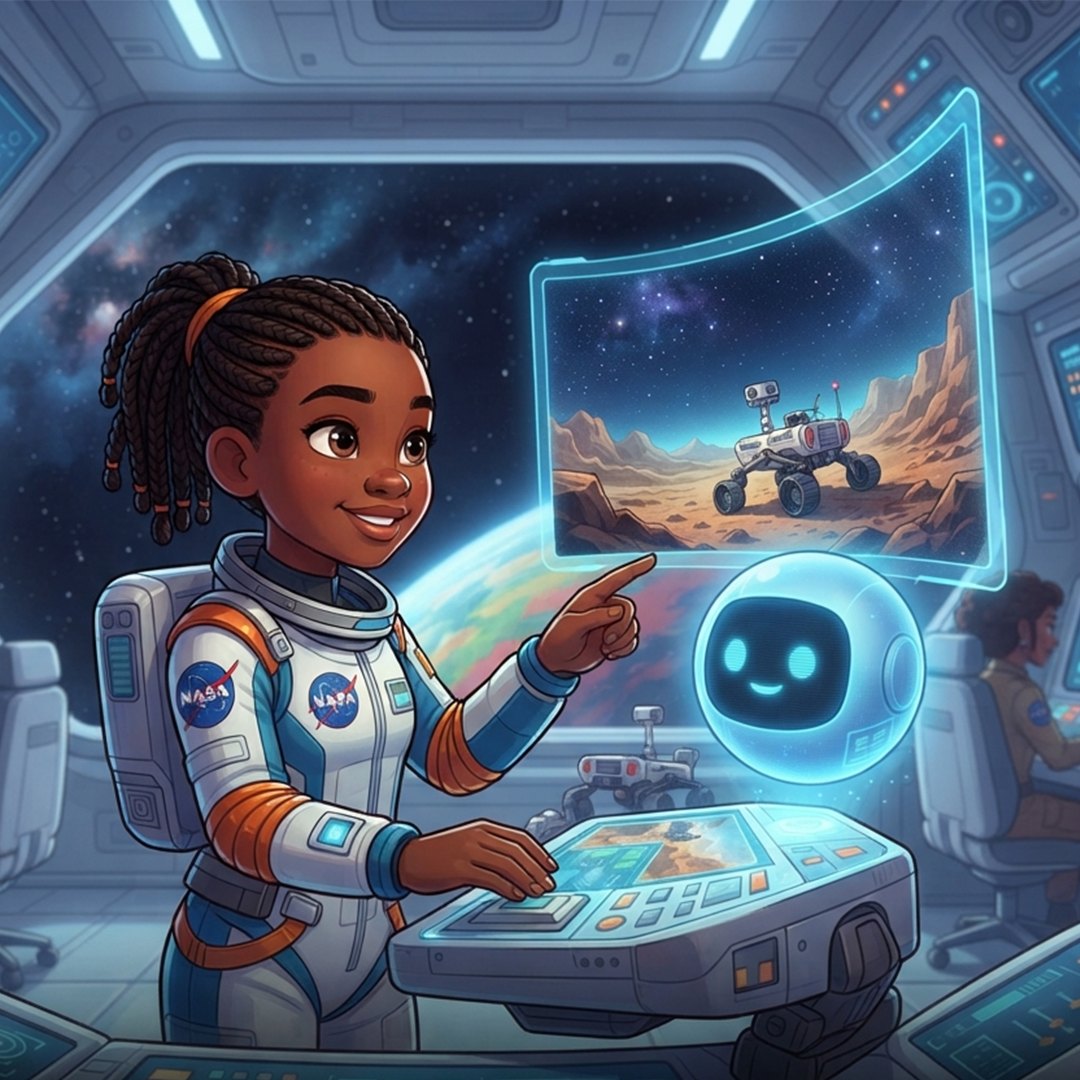
Science
How the natural world works, experiments & evidence, biology for AI doctors, physics for engineers.
Languages
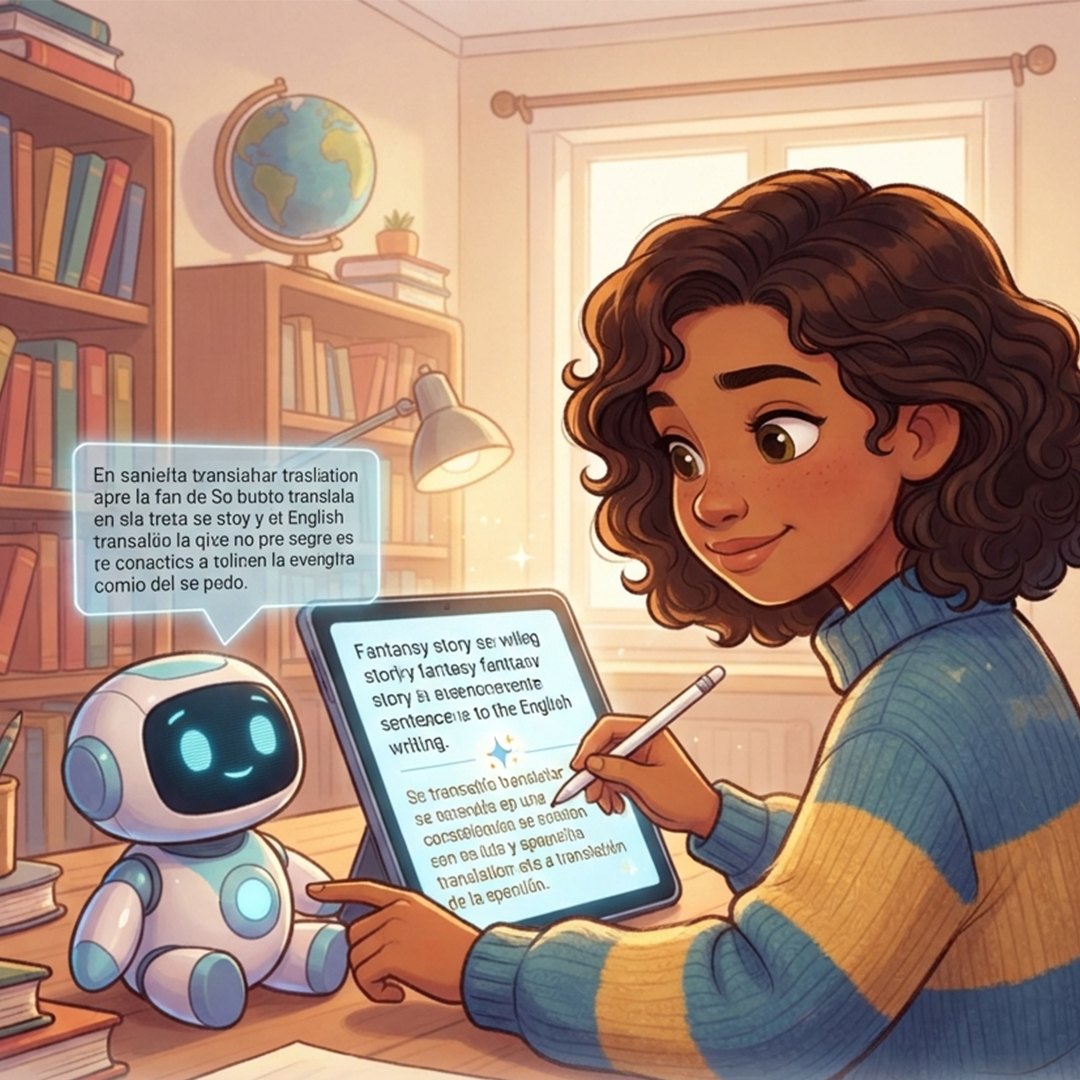
Languages
Communication skills, AI translation tools, writing clearly, understanding culture.
Art & Design

Economics
Economics
How money, work and prices fit together: microeconomics, macroeconomics, economic theories and applied maths.
Psychology
Psychology
Why people do what they do: motivation, how we make decisions, how crowds behave, and how to help in a crisis.
Humanities
Humanities
Ethics and philosophy, history of technology, geography for climate AI, understanding society.
Hi, I'm Rebecca — here's a quick one!
What's the most in-demand AI skill, according to AI experts?
Click an answer to reveal the right one below.
The most in-demand AI skill isn't coding — it's CURIOSITY and CREATIVITY! AI experts say the best AI workers ask great questions, think creatively and never stop learning. Sound like you?
The Future of AI
This is Anish again, for a few final thoughts!
The future with AI could be absolutely incredible — but only if WE make good choices now about how to use it responsibly.
Hey, it's Ronan — one last one!
Besides world hunger and climate change, what disease do scientists predict AI could help end?
Click an answer to reveal the right one below.
Scientists predict AI could help us end malaria, significantly reduce world hunger and dramatically slow climate change within your lifetime. The future is in YOUR hands — and AI is your tool!
Our Responsibility: Keeping AI Good
AI doesn't have a heart or conscience — WE do. That means humans must always be in charge of making sure AI is used for good.
What Makes a Responsible AI User?
Hi, I'm Fleur — last one!
Why did an AI hiring system once reject ALL women for engineering jobs?
Click an answer to reveal the right one below.
An AI hiring system once rejected ALL women for engineering jobs because it was trained only on male engineers' CVs! Humans caught the mistake and fixed it. This is exactly why human oversight of AI is non-negotiable.
AI is a tool. A brilliant one — but a tool. You are the one who decides what it is for.
Final Challenge
Answer 10 quick questions to see how much you've learned!
How this quiz works
You'll get 10 questions, one at a time. Pick an answer and the next question appears automatically. There's only one correct answer for each question — but your final score and medal are only revealed at the very end!
Glossary
Handy definitions for all the AI words you've met on this journey.
- Accessible
- Made so that everybody can use it, including people who cannot see, hear or move the way most people do.
- Alzheimer’s disease
- An illness that slowly damages the brain, usually in older people, so that remembering and thinking get harder. AI can help doctors spot it earlier.
- Artificial Intelligence (AI)
- A type of intelligence created by humans that helps computers learn, think and solve problems — like a very fast, very hardworking digital brain.
- Autocorrect
- The thing on a phone or computer that changes what you typed into what it thinks you meant. That is an AI guessing — and it guesses wrong often enough to be funny.
- Bias
- When AI treats some people unfairly — because of things like their gender, their skin colour, where they come from, their religion or a disability. Usually it is because the examples it learned from were unfair too. The computer never notices; only a human can.
- Binary
- The computer’s own alphabet, made of just two signs: 0 and 1. Every photo, song and message is stored as a very long line of them.
- Bot
- A small program that does one job over and over on its own — answering messages, posting, checking a page. Short for "robot", but there is nothing to touch.
- Carbon dioxide (CO₂)
- A gas that goes into the air whenever we burn fuel — in cars, planes, power stations. Too much of it warms the whole planet up.
- ChatGPT
- A famous AI chatbot that can answer questions, write stories and hold conversations by predicting the best next words to say.
- Creativity
- Making something that was not there before — a story, a tune, a way out of a problem. AI can rearrange what it has seen; deciding what is worth making is yours.
- Curiosity
- Wanting to know how something works, and asking until you do. It is the one thing every good scientist, engineer and artist has in common.
- CV
- The sheet of paper grown-ups send when they want a job: what they have studied, what they have done, what they are good at.
- Cyber attack
- When someone tries to break into computers to steal, damage or block what is on them. AI can spot the attempt early, often in seconds.
- Data
- All the information an AI learns from: photos, words, numbers, sounds. Good data makes a good AI; messy data makes a messy one.
- Deepfake
- A fake video, photo or voice recording made by AI that looks or sounds real, but isn't. Always double-check!
- Deforestation
- Cutting down a forest faster than it can grow back. Satellites and AI can see it happening from space, almost as it happens.
- Diagnosis
- Working out which illness someone actually has. A machine can spot something odd in a picture; naming the illness and deciding what to do is a doctor’s job.
- Disability
- Something about a person’s body or mind that makes parts of the world harder to use — not being able to see a screen, hear a voice, or climb stairs. Good design fixes the world, not the person.
- Eco-friendly
- Kind to the planet: using less energy, making less rubbish, doing less harm to animals, plants and air.
- European Union
- A group of 27 countries in Europe that make some rules together, so the same law applies in all of them. The AI Act is one of those rules.
- Fake News
- False information made to look true, sometimes written or spread by AI. That's why checking your sources matters!
- Flu outbreak
- When a lot of people in the same place catch flu at the same time. Spotting one early gives hospitals time to get ready.
- Gene
- A tiny instruction inside your body that helps decide things like your eye colour. You have about 20,000 of them, half from each parent.
- Green AI
- Building and running AI so that it uses as little energy as possible: smaller models, cleaner electricity, and machines that are not left running for nothing.
- Hallucination
- When AI makes something up and says it as if it were true. It is not lying on purpose — it is guessing the next words. Check anything that matters.
- Hardware
- The parts of a computer you can actually touch: the screen, the keyboard, the chips inside.
- Humanities
- Subjects like history, ethics and philosophy that help us understand people, society and right from wrong — skills AI still can't fully replace.
- Innovate
- To make something that did not exist before, or find a much better way of doing something. Inventing, improving, trying the idea nobody has tried yet.
- Machine Learning
- The way AI learns. Nobody writes the rules down: the computer looks at thousands of examples and works the rules out for itself.
- Magnetic Resonance Imaging (MRI)
- A medical scan that takes pictures inside your body. AI helps doctors read MRIs faster and spot diseases earlier.
- Malaria
- A serious illness carried by mosquito bites. It still kills hundreds of thousands of people a year, most of them children, and most of them in Africa.
- Manipulate
- To push somebody into doing something without them noticing they are being pushed. That is why a computer is not allowed to do it to children.
- Model
- What an AI has become after training — the part that does the answering, spotting or predicting. Like a recipe someone has learnt by heart.
- Monitor
- To keep watching something so you notice the moment it changes. A machine that monitors a patient checks their heartbeat and breathing all night without getting tired.
- Over-Reliance
- Depending on AI so much that you stop thinking for yourself. Always use your own brain too!
- Parameters
- The little dials inside an AI that it adjusts while it learns. A big AI has billions of them, each nudged a tiny bit until the answers come out right.
- Pattern
- Something that keeps coming back: the same shape, the same word, the same colour. Finding patterns is the thing AI is best at.
- Personalised
- Made to fit one person. A personalised lesson goes slower where you find it hard and faster where you don’t.
- Power grid
- The web of cables that carries electricity from where it is made to every house, school and hospital. A "smart" grid uses AI to send power where it is needed.
- Privacy
- Your right to keep personal information — like your name, address or photos — safe and only shared with people you trust.
- Professionals
- People who are trained to do a particular job and are paid for it — a doctor, a pilot, a teacher, an engineer.
- Protein
- A tiny machine inside every living thing. Proteins build your muscles, carry oxygen and fight germs. AI can now guess their shape, which helps make new medicines.
- Repetitive
- The same thing over and over again. People get bored and start making mistakes; a computer does not mind at all.
- Scan
- A picture of the inside of a body, taken by a machine instead of a camera — an x-ray, an MRI, an ultrasound.
- Software
- The programmes that tell the hardware what to do. You cannot touch software — it is instructions, written as code.
- Solar panel
- A flat panel that turns sunlight into electricity. AI helps work out where to put them and when to tilt them at the sun.
- Surveillance
- Watching people to see what they do — with cameras, phones or computers. Watching in secret, without asking, is the kind the law now forbids.
- UI/UX design
- Designing how an app or website looks and how it feels to use — where the buttons go, what happens when you tap one, and whether the whole thing makes sense.
Thank you
This book exists because a lot of people gave their time to it.
Heath House Preparatory School and its consortium · the NIHR Youth Council · Nicola and Annika · Mr Stathidis · Mr Williams · Mrs Rokakis · Mrs Vatsitsis · Mr Pearce · Dr Tapeinos · Dr Erenstein and his children · Dr Adibi and her children · Mr Vitale and Mrs Rizic and their children · Morgan Stanley.
🛠️ How this book was made
Some of the pictures were made with openart.ai, from a lot of fun prompts by Katerina.
Some of the text was drafted with the help of Claude, an AI assistant, to make it clearer and friendlier for younger readers. Every word and every picture was checked by people before it went in.
That's the whole journey.
Want to know more about the project, the team, or how to support it?
Get in touch